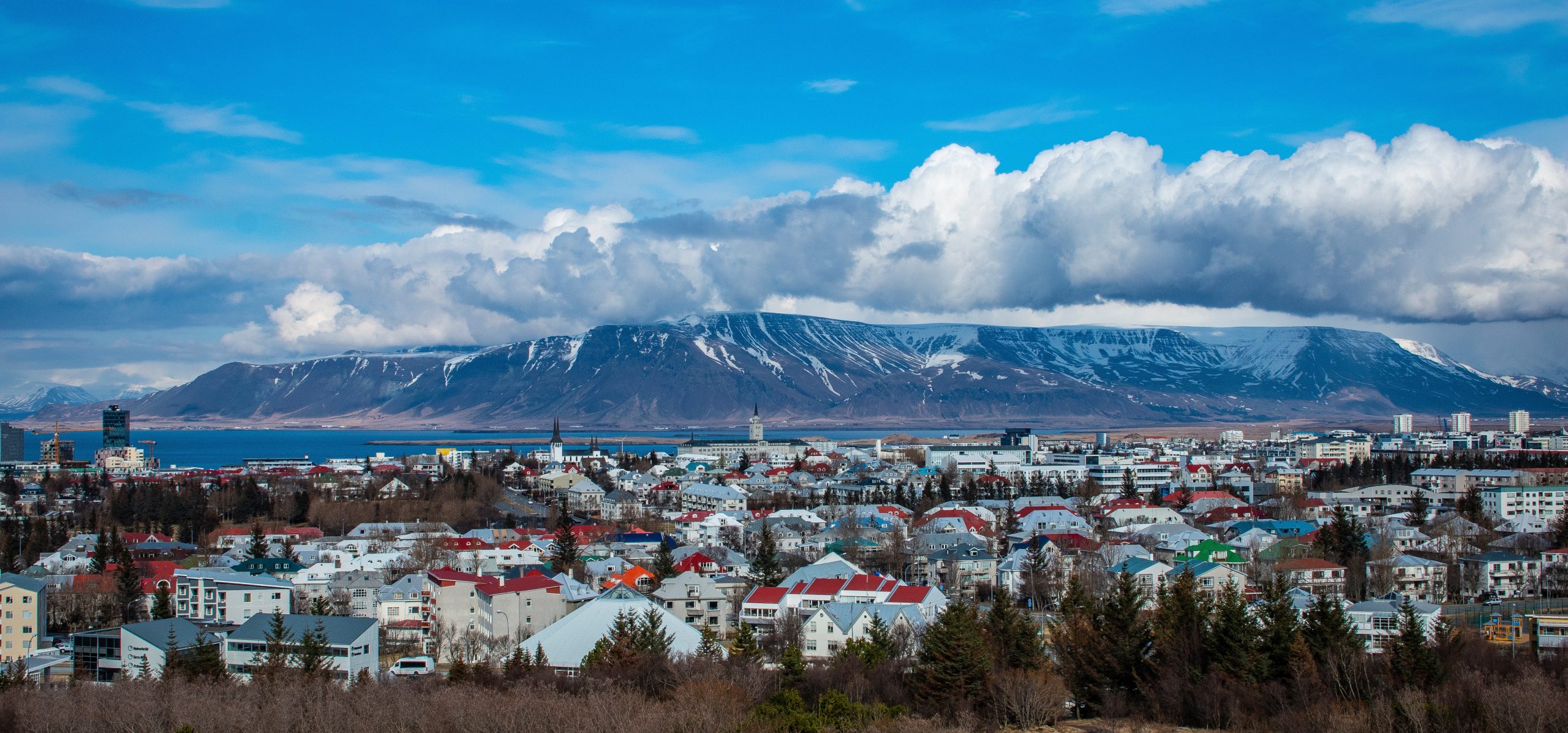

The best time to visit Iceland depends entirely on the type of experience you are looking for. Iceland is not a destination that offers the same trip year round. Instead, it shifts dramatically with the seasons. Each season changes the landscapes, accessibility, daylight hours, and travel conditions.
Some visitors come to experience the Midnight Sun, long summer days and open roads. Others want snow-covered landscapes and the chance to see the Northern Lights. Because of these contrasts, there is no single perfect answer. The best time to visit Iceland is the season that aligns with your expectations.
It is daunting for first-timers, especially when it comes to planning out an itinerary. With Atlantik, we’re here to help you navigate through your journey. Contact our impressive team of experts to start planning your program today.
How Iceland’s Seasons Shape the Travel Experience
Iceland experiences strong seasonal variation, more so than many other European destinations. The most defining factor is not temperature but daylight. In summer, the sun barely sets, creating long travel days. In winter during Christmas, daylight is limited to only a few hours, which dramatically changes how much you can explore.
These daylight shifts influence road accessibility, activity availability, wildlife patterns, and even pricing. Understanding how each season functions is essential before deciding when to travel.
Summer in Iceland: Long Days and Full Accessibility
Summer, from June to August, is the most popular time to visit Iceland. The weather is relatively mild, with average temperatures between 10°C and 20°C.
The real advantage is the extended daylight. Around the summer solstice, Iceland experiences almost continuous daylight. It allows travelers to explore far beyond typical daylight hours.
This extended light makes summer the most flexible season for travel. Long days allow for extended road trips along the Ring Road and deeper exploration of remote areas. It is also the only period when the Icelandic Highland are accessible with the right equipped vehicles. These interior regions offer views of volcanic terrain and dramatic landscapes like nowhere else. However, they close during most of the year, mainly for weather conditions and road accessibility.
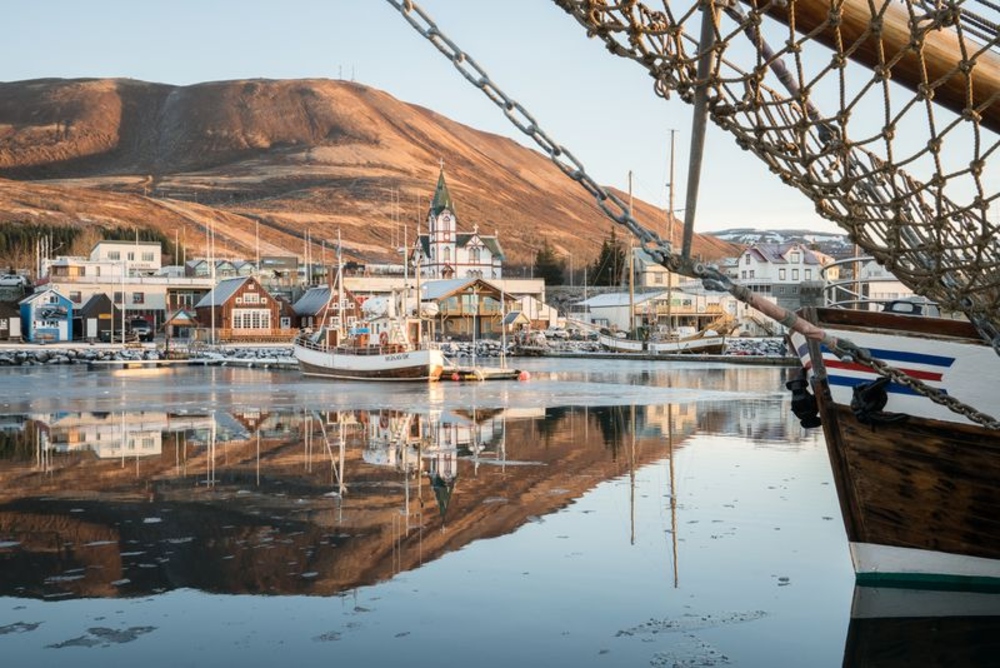
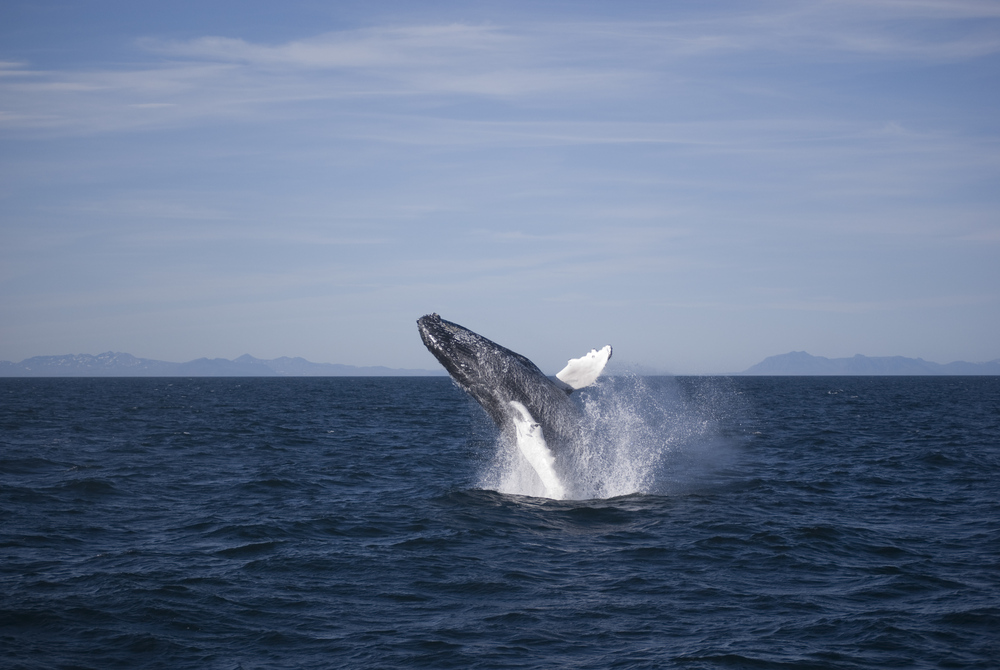
Summer is also when Iceland appears at its most vibrant. Vegetation is at its peak, rivers are strong from snowmelt, and wildlife is active. Puffins and other migrant birds flock to Iceland in millions, making this the best time for birdwatching. Whale watching is also one of the best experiences during this time. So, plan accordingly with your destination management company or travel guides.
However, summer is also the busiest travel season. Demand is high, which drives up prices for accommodation and rental vehicles. Popular destinations such as the Golden Circle and South Coast can become crowded compared to other seasons.
For many first-time visitors, summer is the best time to visit Iceland. It offers a wide range of accessible experiences, and it won’t be too cold.
Winter in Iceland: Ice, Darkness, and the Northern Lights
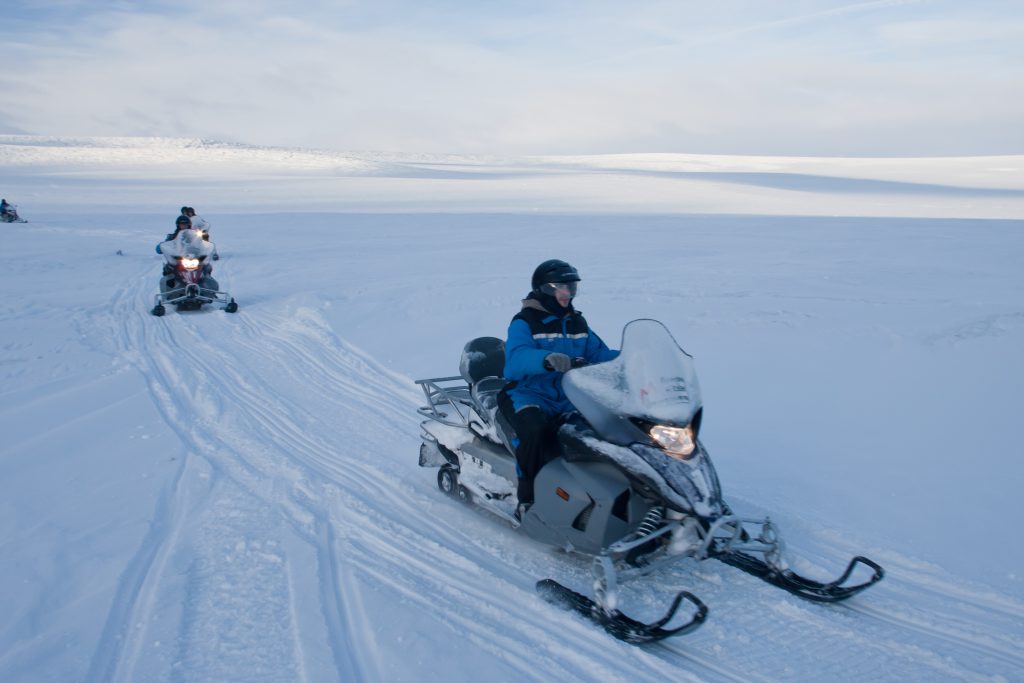
Winter, from November to end of March, presents an entirely different version of Iceland. It offers colder temperatures, with temperatures frequently dropping below freezing. The real transformation comes from the combination of snow, ice, and shorter days. It changes the conditions for travel, and affects the design of the program in terms of places to visit and length of program each day.
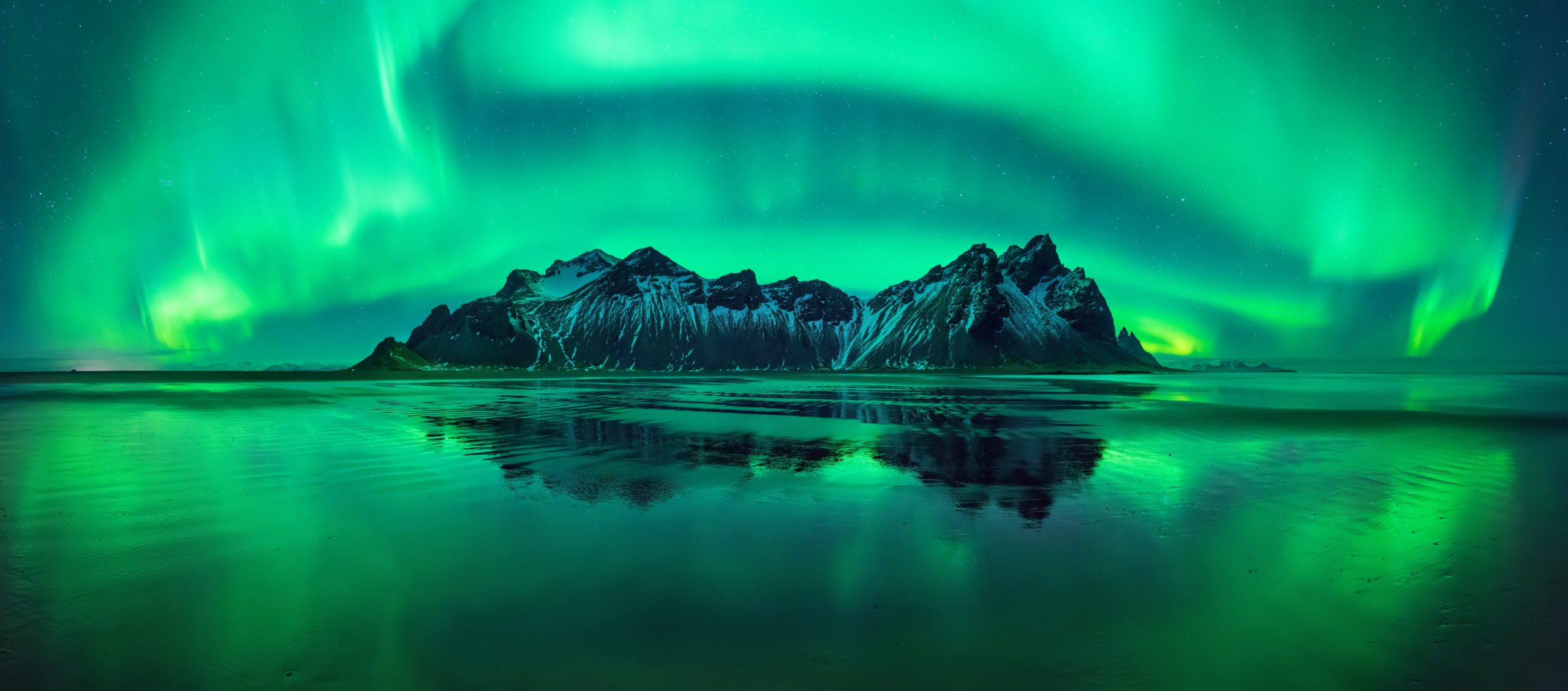
However, during winter, Iceland becomes darker and more atmospheric. This is the prime season for the Northern Lights, which are visible when skies are clear and solar activity is strong. The long nights provide more opportunities to see the aurora compared to other times of year.
Winter also unlocks experiences that do not exist in summer. Ice caves exploration showcases wonderful glaciers and ice formations. These caves are accessible through guided tours and offer a rare glimpse into Iceland’s glacial systems. Even more, the waterfalls in Iceland, such as Skógafoss, Seljalandsfoss and Gullfoss, take on a completely different appearance. They often become partially frozen and surrounded by ice formations during this time.
Yet, travel during winter requires more flexibility. Weather systems can shift quickly, and strong winds or snowstorms will affect road conditions. Daylight becomes limited, so planning becomes more structured. Despite this, winter travel is often quieter and hotels offer lower rates. It offers a more intimate experience of Iceland’s landscapes.
So, if you want a more personalized experience, try travelling in winter. It’s the best time to visit Iceland, especially when the Northern Lights are in full view.
Shoulder Seasons: Balance Between Experience and Accessibility
The periods between peak summer and deep winter, specifically April to May and September to October, are often overlooked but offer a balanced travel experience.
Spring marks the transition out of winter. Snow begins to recede, daylight increases steadily, and roads into the highland gradually reopen. The landscape is in a state of change, with melting snow feeding waterfalls and green areas beginning to return. Tourist numbers remain relatively low, which allows for a quieter and more relaxed experience compared to summer.
Autumn brings another transition. September and October offer diminishing daylight but still provide enough light for travel, while nights become dark enough for Northern Lights viewing. Landscapes take on deeper colors, and weather conditions are often more stable than in mid-winter. It is also a period when tourist crowds begin to decline after the summer peak.
Both shoulder seasons offer a practical balance. Hotel rates are generally lower than in summer, availability is better, and conditions are still suitable for most major activities. For many travelers, these months represent the most efficient and comfortable answer to the question of the best time to visit Iceland.
Iceland’s Tourist Seasons and Travel Costs
Tourism in Iceland follows a clear seasonal pattern that directly affects pricing and availability.
Summer is the peak season, driven by favorable weather, school holidays, and full accessibility to the country’s interior regions. This demand increases prices significantly, particularly for hotels, car rentals, and organized tours. Planning well in advance is essential during this period.
Winter represents the low season for tourism, with the exception of holiday periods around Christmas and New Year. Outside of these dates, visitor numbers decrease, and pricing becomes more competitive. This makes winter attractive for travelers focused on cost efficiency or winter-specific experiences.
Shoulder seasons sit between these two extremes. They offer a more moderate travel environment, with fewer crowds and more reasonable pricing while still maintaining access to most regions. These periods are often preferred by travelers who want a balance between cost, comfort, and experience.
Seasonal Activities That Define Iceland
Each season in Iceland supports different types of travel experiences. Whale watching is most active from spring through autumn when marine life is abundant along the coast. Puffins are only present during the summer breeding season, making those months essential for birdwatching.
The Northern Lights are restricted to the darker months from autumn through early spring, while ice caves are only safely accessible during winter. Road trips and inland exploration are most practical in summer when weather conditions are stable and roads remain open.
These seasonal differences mean that the best time to visit Iceland depends less on general conditions and more on the specific experiences a traveler wants to prioritize.
Choosing the Right Time for Your Trip
There is no universal best time to visit Iceland because the country is built around seasonal contrast. Summer offers access, daylight, and movement. Winter offers shorter days and Northern Lights, ice, and atmospheric landscapes. Shoulder seasons offer balance and flexibility.
The most effective way to plan a trip is to align your travel dates with the experiences that matter most to you. Iceland rewards timing, and each season reveals a different side of the country. Choosing the right one ensures that your trip matches not only the destination but also the experience you are looking for.