

Why Central Reykjavík is Ideal for Cultural Exploration
Central Reykjavík offers professional travel planners a compact setting for exploring Icelandic history, art, architecture, and everyday life. Museums, public spaces, historic landmarks, and the waterfront are located within a relatively small area, allowing programmes to incorporate several aspects of the city without relying on long transfers between attractions.
For cruise guests with limited time ashore, conference delegates extending their stay, and independent travellers, this compact layout makes cultural exploration easier to incorporate into a wider itinerary. The city centre also provides a useful balance between structured visits and time to explore at a more flexible pace. Museums provide context, while neighbourhoods, streets, and the waterfront connect that history and culture with contemporary Reykjavík.
This guide focuses on museums and activities in central Reykjavík that can form part of a considered half-day or full-day programme, with practical considerations around seasonality, weather, visitor flow, and movement between locations.
Museums That Tell Iceland’s Story
The National Museum of Iceland provides a broad introduction to the country’s history, from settlement through the medieval period to modern Iceland. Located within walking distance of the city centre, the museum brings together historical objects and contextual information that help visitors understand Iceland’s geography, social development, and cultural values.
Its chronological approach makes it relatively straightforward to follow, particularly for first-time visitors who benefit from historical context before exploring other parts of the city. A visit generally takes around 90 minutes to two hours, making the museum particularly useful as an indoor anchor within a half-day programme and easy to combine with other central Reykjavík activities.
A shorter alternative is the Settlement Exhibition, located in the historic heart of Reykjavík. Built around archaeological remains, the exhibition uses multimedia elements to explain the city’s early settlement history. Its compact scale makes it suitable as a standalone visit or as part of a walking route through the older parts of the city, particularly when programme timing is limited.
Together, these museums can provide a useful foundation for understanding Iceland before moving into contemporary culture, architecture, and daily life. The choice between them can depend on the time available, guest profile, and the level of historical detail appropriate for the itinerary.
Art, Design, and Contemporary Culture
Reykjavík Art Museum Hafnarhús offers a different perspective on Icelandic culture. Located close to the Old Harbor in a converted warehouse, the museum presents rotating exhibitions featuring Icelandic and international artists. Themes can include nature, identity, and urban life, creating a connection between Iceland’s environment and its contemporary cultural expression.
Smaller independent galleries, design shops, and creative spaces add another layer to the experience. These venues change more frequently and can introduce visitors to visual arts, design, music, and other aspects of Reykjavík’s creative community. Because many are located within the central area, walking between attractions can become part of the cultural programme rather than simply a way of getting from one site to another.
Activities Beyond Museums
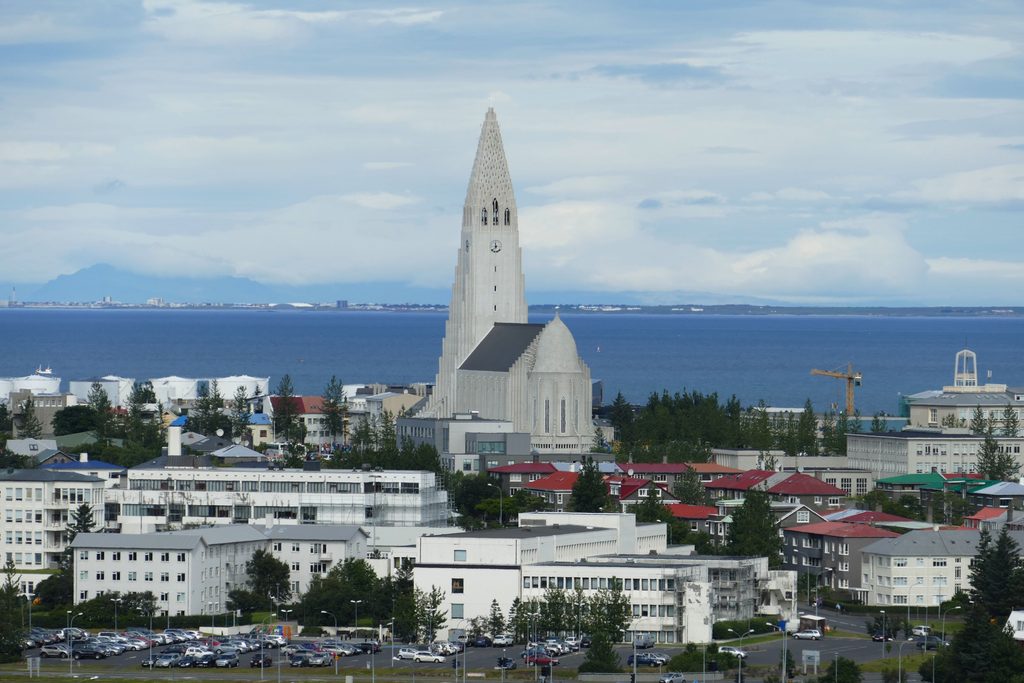
Walking routes through central Reykjavík provide a straightforward way to connect cultural attractions with the city itself. Laugavegur and Skólavörðustígur combine shops, cafés, architecture, and public art, while Hallgrímskirkja provides one of the city’s most recognisable landmarks and views from its tower. Tjörnin, the city pond, offers a quieter setting within the central area.
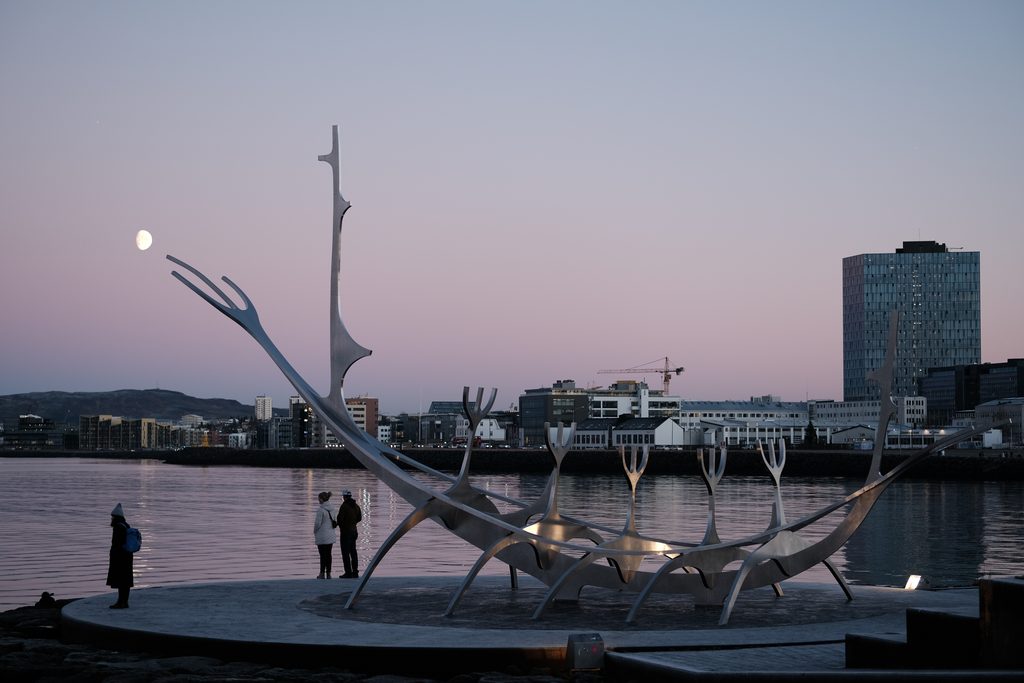
The Old Harbor extends the experience towards Reykjavík’s maritime history and its more recent transformation. Visitors can explore the waterfront, stop at cafés and museums, or use the area as a starting point for excursions such as whale watching. Across Faxaflói Bay, views towards Mount Esja provide a clear connection between the city and the surrounding landscape.
These activities can be incorporated around fixed museum visits, scheduled excursions, or wider city programmes. For groups and visitors working within a limited timeframe, that flexibility can make it easier to adjust the programme when weather, timing, or guest requirements change.
Planning a Visit Around Time, Weather, and Logistics
Seasonality affects how central Reykjavík can be explored, even when the main attractions remain available throughout the year. During winter, shorter daylight hours can make museums and other indoor attractions useful anchors within the programme. Summer brings extended daylight, allowing visitors to combine museum visits with longer walks, waterfront activities, or outdoor dining later in the day.
Cruise programmes can also use the central location to structure time around shore excursions and port schedules. A museum visit can be scheduled before or after a planned excursion, while the concentration of attractions allows the programme to remain flexible without adding unnecessary transfers. This can be particularly valuable when working within fixed arrival and departure times.
Weather is another practical consideration. Conditions in Iceland can change quickly, so layers and a waterproof outer layer remain useful throughout the year. From a programme-planning perspective, indoor attractions can provide dependable anchors when outdoor conditions are less suitable, allowing cultural visits to continue without requiring major changes to the overall itinerary.
Most central museums and attractions are accessible on foot and are generally well signposted. Cafés and public facilities are also frequent throughout the area. For cruise, MICE, private group, and bespoke programmes, Atlantik can coordinate transportation, guiding, timing, and other logistical requirements where a more structured itinerary is needed, while retaining the flexibility required to respond to changing conditions.
Central Reykjavík therefore works particularly well for cultural programmes that need to balance structure with flexibility. A carefully considered half-day can combine a museum with a walking route or waterfront visit, while a full day allows more time for historical sites, contemporary culture, dining, and independent exploration.
For professional travel planners, the city’s compact scale makes it possible to incorporate different aspects of Reykjavík without building the programme around lengthy transfers. Museums provide historical and cultural context, streets and neighbourhoods offer a view of contemporary life, and the waterfront connects the city to its maritime setting. With local destination expertise and careful operational planning, these elements can be shaped around guest profile, available time, season, and wider itinerary requirements. Atlantik brings these elements together through local knowledge and careful planning, shaping each programme around the guests, season, available time, and wider Iceland itinerary.