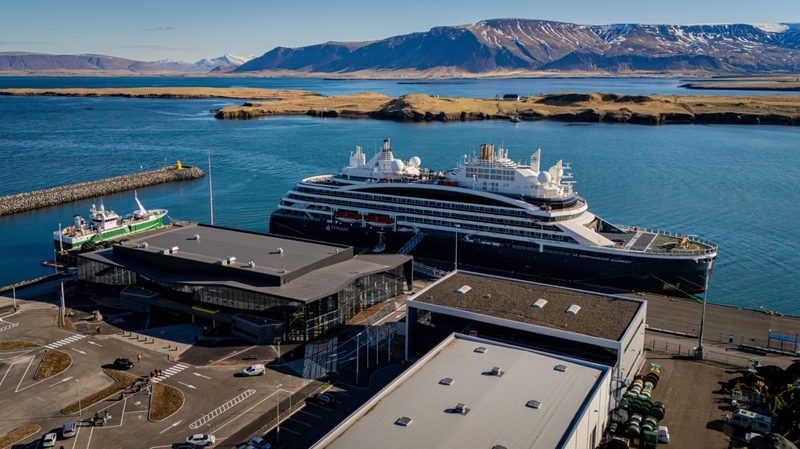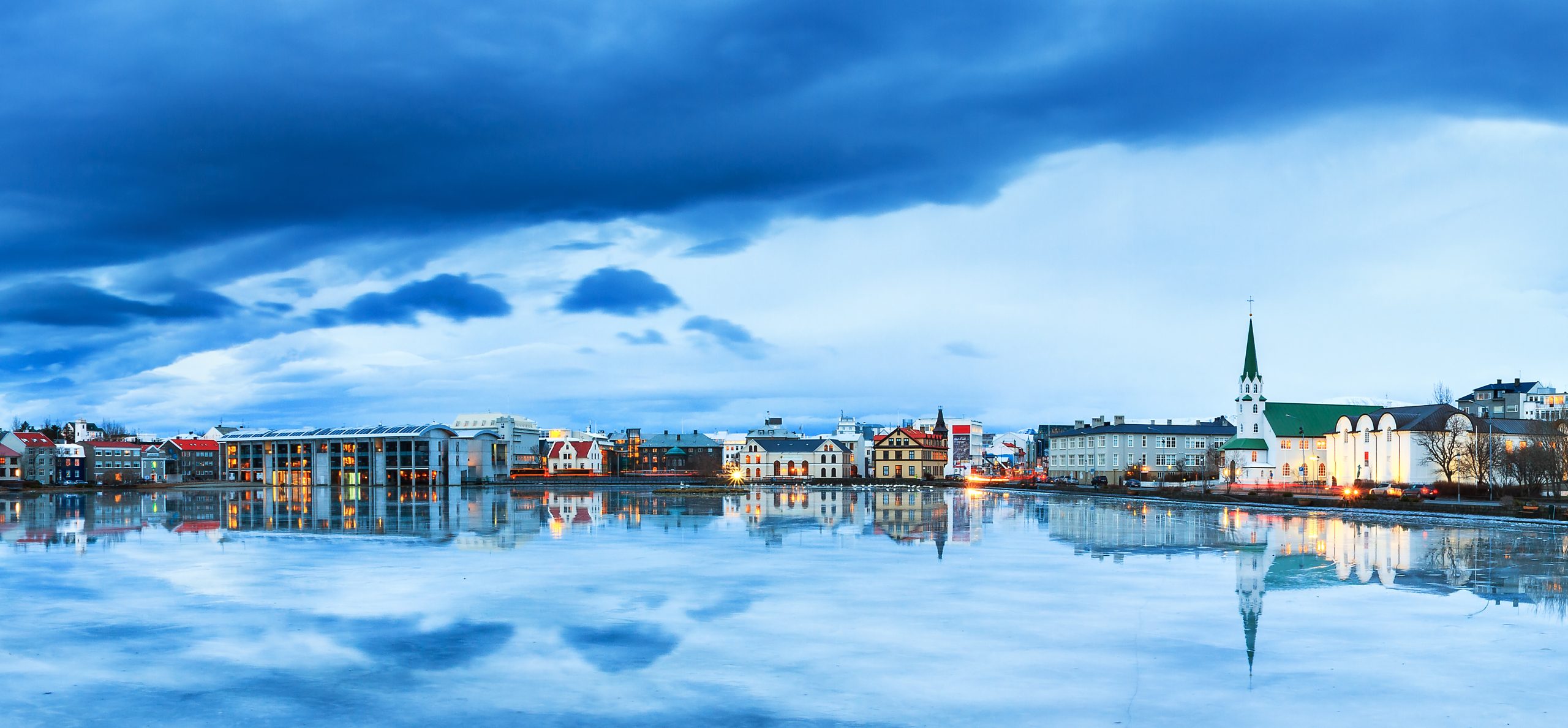

When travellers think of Iceland, Reykjavík, the Golden Circle and the country’s waterfalls and glaciers are often the first places that come to mind. Yet some of Iceland’s most memorable experiences lie beyond the capital, in the coastal towns and fishing villages scattered along its shoreline.
One of the greatest advantages of travelling aboard a small ship or choosing a tailor-made Iceland itinerary is the opportunity to discover these lesser-known destinations. Away from the main tourist routes, small ports in Iceland offer a glimpse into the country’s authentic character, where fishing traditions, local culture and landscapes remain closely connected. Some communities have modernised their harbour facilities to welcome small cruise ships, while others offer experiences through tender operations and local boat services.
With decades of experience in Icelandic destination management, Atlantik understands the value of looking beyond the country’s established travel routes. Here are ten small ports and coastal towns that offer a different perspective on Iceland.
1. Akranes: A Coastal Town with a Maritime Soul
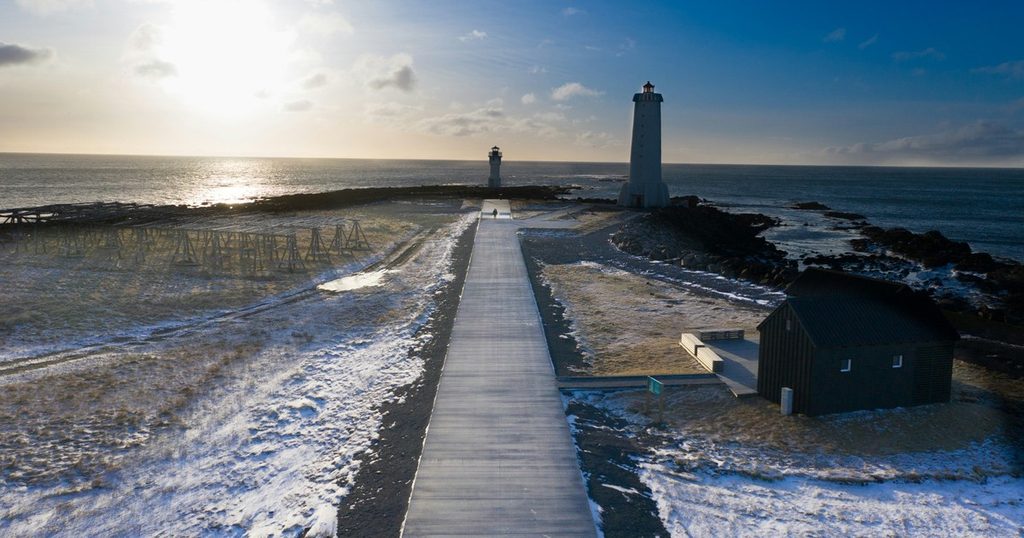
Located just north of Reykjavík, Akranes is a coastal town with a long-standing connection to Iceland’s fishing industry. Its harbour remains an important part of local life, reflecting the town’s maritime heritage. Following improvements to its pier facilities, Akranes welcomed three small vessels in 2026, creating new opportunities for visitors arriving by sea.
The surrounding region offers excursions to Hraunfossar waterfalls and Víðgelmir lava cave, one of Iceland’s largest lava tubes. Among Akranes’ most interesting landmarks are its two lighthouses. The older lighthouse was constructed using materials from a shipwreck, a reminder of the town’s enduring relationship with the sea.
2. Djúpivogur: Authentic East Iceland
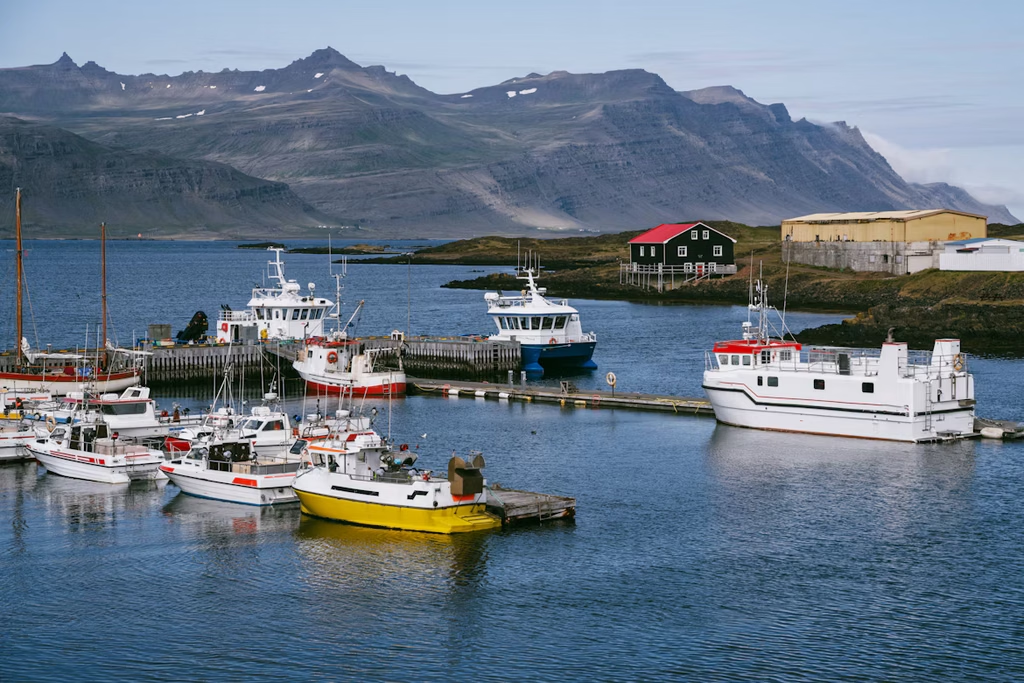
Nestled along Berufjörður fjord in East Iceland, Djúpivogur is a peaceful fishing village where the harbour remains central to the community, welcoming fishing boats and visiting travellers. One of the village’s most recognisable landmarks is Eggin í Gleðivík (The Eggs of Merry Bay), an outdoor sculpture installation featuring 34 oversized eggs, each representing a different bird species found in the region.
Djúpivogur also serves as a starting point for exploring southeastern Iceland. Depending on the itinerary and available travel time, excursions may include Jökulsárlón Glacier Lagoon and the Vatnajökull region. With its maritime traditions and coastal setting, Djúpivogur offers visitors an opportunity to experience the character of East Iceland.
3. Eskifjörður: Discover the Eastfjords
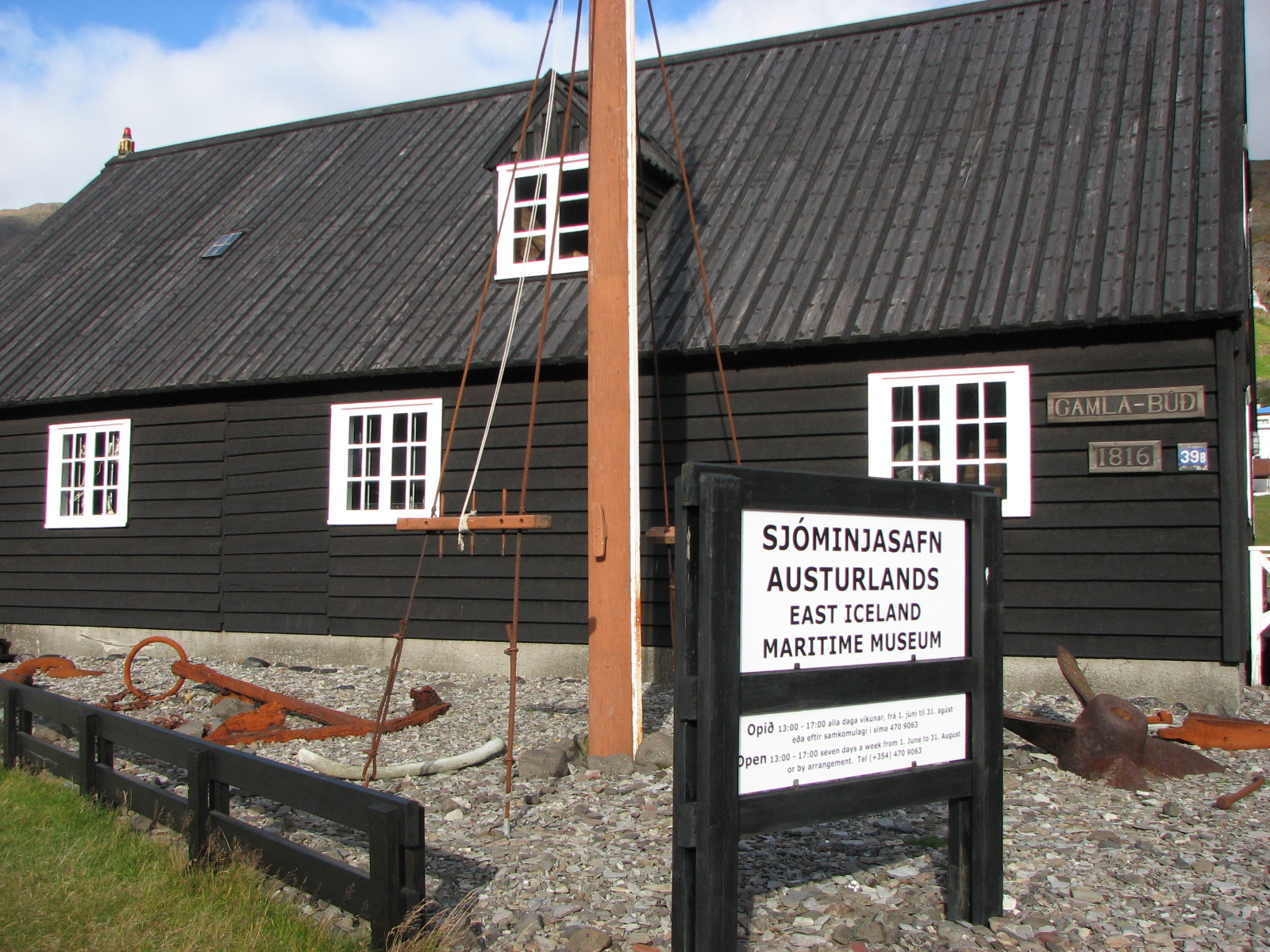
Surrounded by mountains and the sheltered waters of the Eastfjords, Eskifjörður is a traditional fishing town with a fascinating maritime past. Its harbour continues to support the local fishing industry, while the town offers insight into everyday life in one of Iceland’s quieter coastal regions.
The wider Eastfjords have an interesting connection with French fishermen and sailors who once worked along this coastline. Their legacy is particularly visible in neighbouring Fáskrúðsfjörður, where French heritage is preserved through local history and cultural attractions. A visit to Eskifjörður offers an opportunity to discover the traditions that have shaped Iceland’s eastern coastline.
4. Grundarfjörður: In the Shadow of Kirkjufell
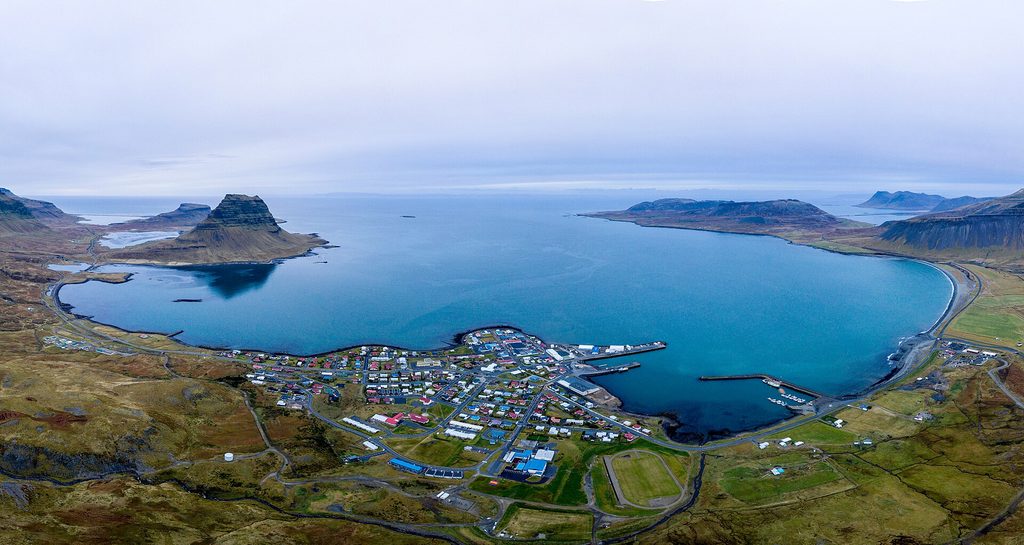
Few Icelandic landscapes are as recognisable as Mount Kirkjufell. Rising above the fishing town of Grundarfjörður, this distinctive mountain is among the country’s most photographed natural landmarks. Located on the Snæfellsnes Peninsula, Grundarfjörður combines an active fishing harbour with access to some of western Iceland’s most varied landscapes.
From here, travellers can explore Vatnshellir lava cave, black-sand beaches, the historic Búðir area and the village of Hellissandur. For those interested in local traditions, the nearby Shark Museum provides an introduction to Iceland’s historic shark-fishing culture. With its coastal setting and regional excursions, Grundarfjörður is a rewarding destination for visitors interested in nature, photography and Icelandic heritage.
5. Grímsey Island: Step Across the Arctic Circle
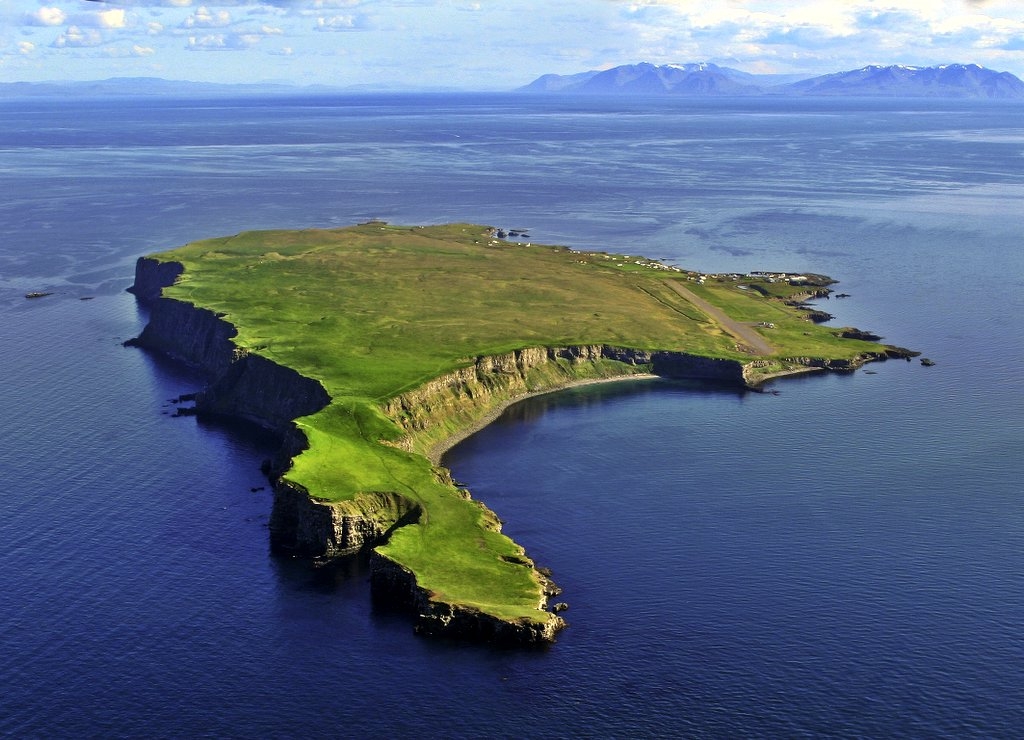
Located approximately 40 kilometres off Iceland’s northern coast, Grímsey is a remote island known for its position on the Arctic Circle. The island is home to a small community whose way of life remains connected to fishing, tourism and mainland Iceland.
During summer, Grímsey’s coastal cliffs become nesting grounds for large seabird colonies, including puffins. Its northern location also offers visitors the magical experience of the midnight sun. Interestingly, the Arctic Circle is gradually moving northwards due to changes in the Earth’s axial tilt. As a result, its position on Grímsey changes over time, making the symbolic Arctic Circle marker an especially interesting place to visit. Exploring the island with a local guide offers insight into its history, wildlife and traditions.
6. Húsavík: Europe’s Whale-Watching Capital
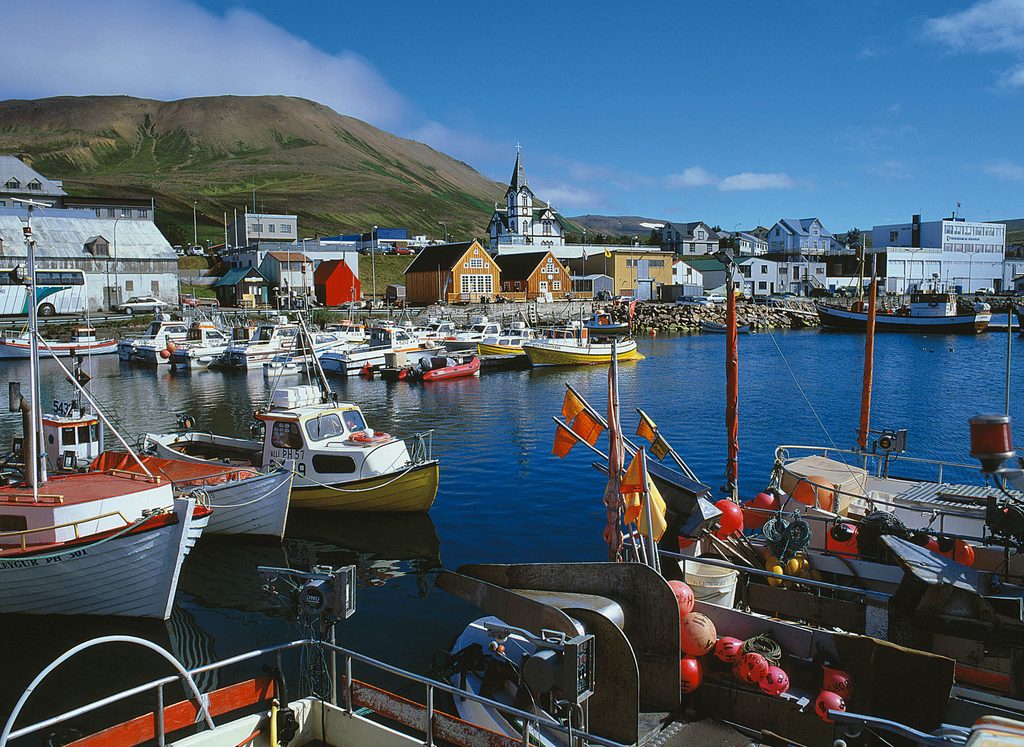
Húsavík is internationally recognised as one of Europe’s leading whale-watching destinations. Located on Skjálfandi Bay, this northern town offers opportunities to observe humpback whales, minke whales and other marine wildlife. The town gained international attention through the 2020 Netflix film Eurovision Song Contest: The Story of Fire Saga, whose song “Húsavík” received an Academy Award nomination.
Beyond whale watching, visitors can enjoy a relaxing experience at GeoSea, a geothermal bathing facility overlooking the bay. Its naturally heated seawater pools provide an opportunity to relax while taking in views of the coastline. Combining marine wildlife, local culture and geothermal experiences, Húsavík offers a varied introduction to northern Iceland.
7. Hrísey Island: The Peaceful Pearl of Eyjafjörður
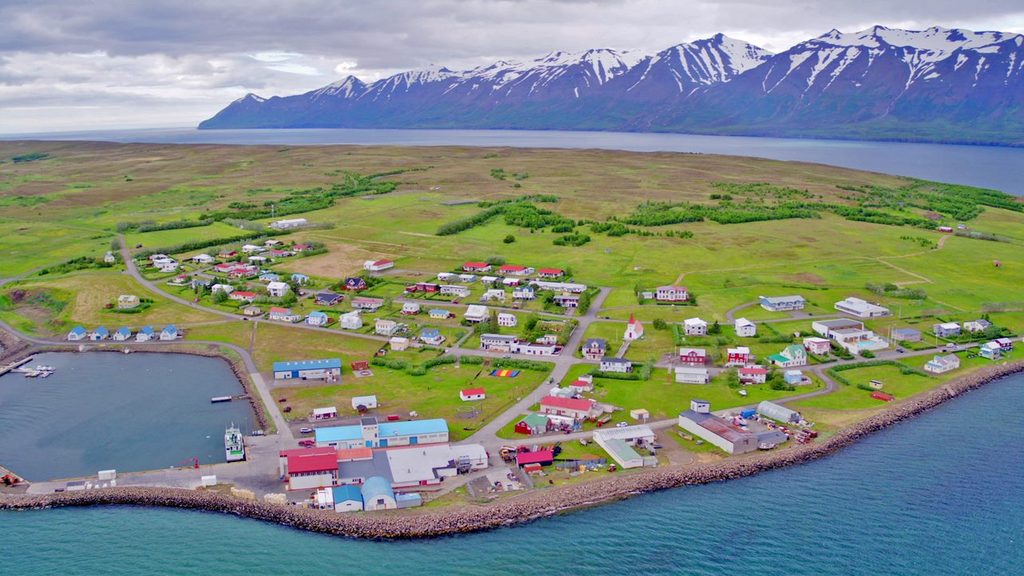
Situated in Eyjafjörður, Hrísey is often referred to as the Pearl of Eyjafjörður. This small island is known for its peaceful atmosphere, beautfiul scenery and exceptional birdlife. Regular ferry connections link the island with the mainland, while its quiet roads and walking paths make it suited to exploration at a relaxed pace.
Hrísey is home to numerous bird species nesting in its protected natural areas. Visitors can also experience island life aboard a local tractor-pulled wagon or learn about traditional Icelandic food culture at the local shark house. For those seeking a quieter experience, Hrísey offers an opportunity to discover traditional Icelandic island life.
8. Neskaupstaður: History Between Mountains and Sea
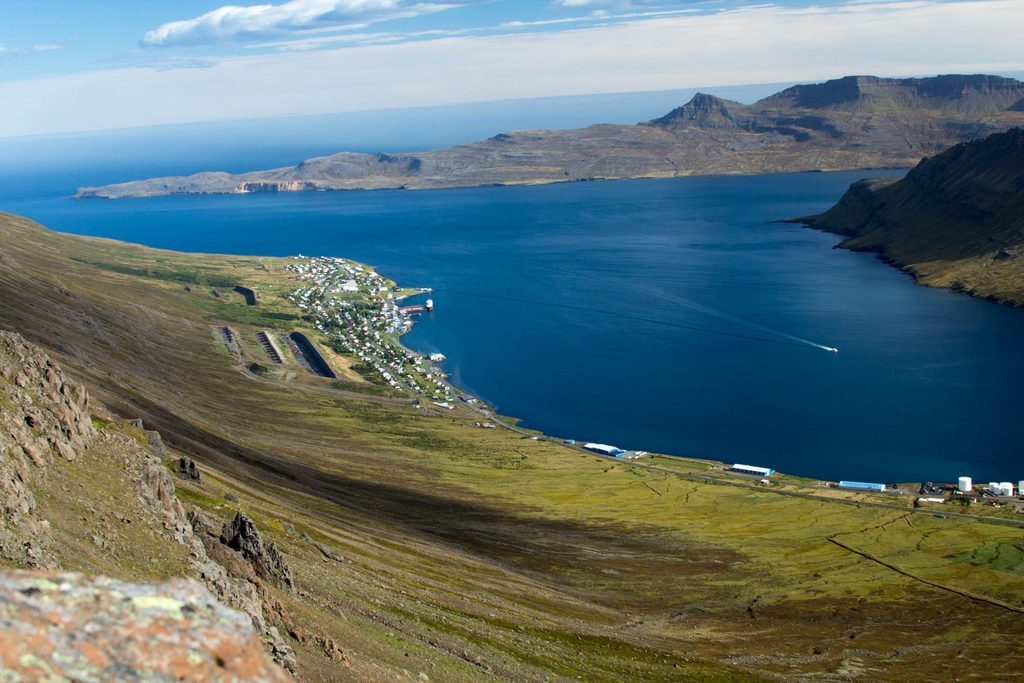
Located at the end of Norðfjörður in the Eastfjords, Neskaupstaður is surrounded by steep mountains and the North Atlantic Ocean. In December 1974, devastating avalanches claimed twelve lives, leaving a lasting impact on the community and contributing to Iceland’s approach to avalanche protection.
Today, fishing remains central to the local economy, and the harbour supports an important regional fishing fleet. Visitors can explore the town’s history with a local guide or discover the surrounding coastline on a RIB boat excursion, where conditions allow. The combination of local history, maritime traditions and coastal landscapes makes Neskaupstaður a distinctive destination in East Iceland.
9. Siglufjörður: The Herring Capital of the Atlantic
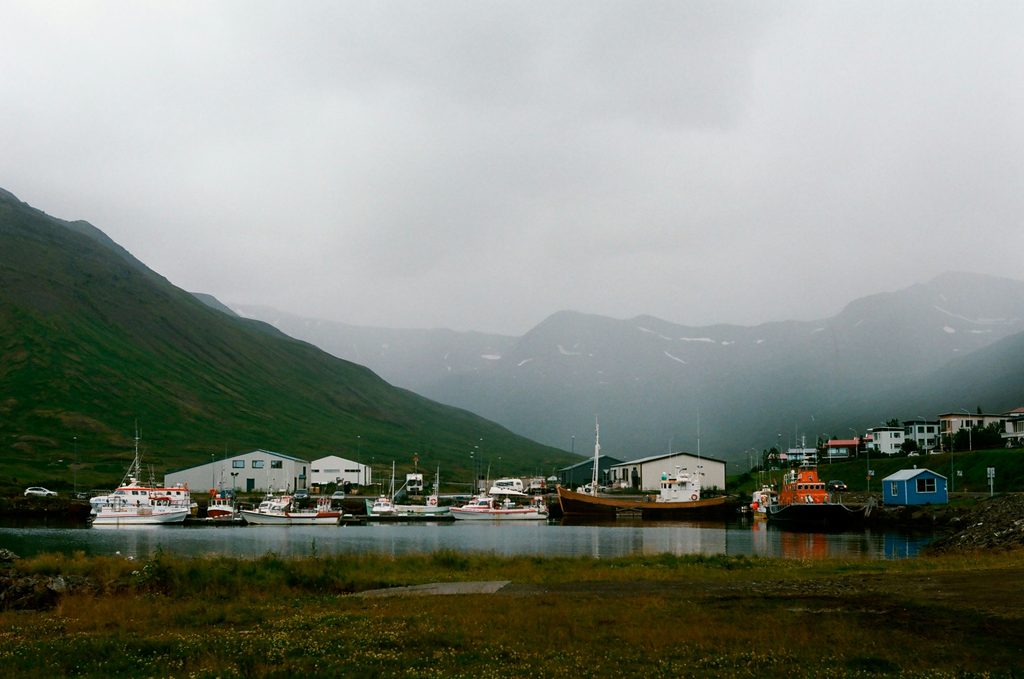
Once known as the Herring Capital of the Atlantic, Siglufjörður has one of Iceland’s most significant maritime histories. During the herring boom of the early twentieth century, the town became a major centre for fishing and processing, attracting workers from across Iceland and beyond.
Today, its harbour is surrounded by colourful buildings and steep mountains, reflecting its industrial heritage and northern coastal setting. The Herring Era Museum, Iceland’s largest maritime museum, brings this history to life through restored processing buildings, traditional equipment and exhibitions. Siglufjörður also celebrates its cultural heritage through its annual Folk Music Festival, attracting musicians and visitors interested in Icelandic and international musical traditions.
10. Stykkishólmur: Gateway to the Islands of Breiðafjörður
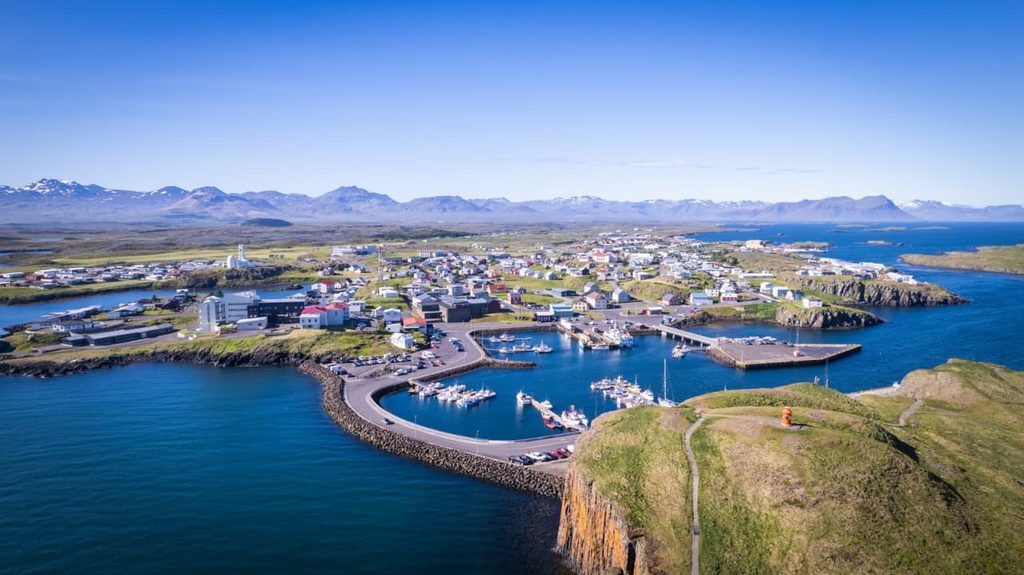
Located on the northern side of the Snæfellsnes Peninsula, Stykkishólmur is a historic coastal town overlooking Breiðafjörður Bay. Its charming harbour remains an important hub for fishing, passenger ferries and recreational boating. The Baldur ferry connects the Snæfellsnes Peninsula with the Westfjords, stopping at Flatey Island on selected sailings.
Breiðafjörður Bay is characterised by thousands of islands and skerries that provide habitats for seabirds and marine wildlife. Film enthusiasts may recognise Stykkishólmur from the 2013 film The Secret Life of Walter Mitty, which used the town as one of its filming locations. With its colourful houses, charming harbour and beautiful coastal scenery, Stykkishólmur is an ideal destination for discovering another side of Iceland.
Explore Iceland Beyond the Usual Tourist Trail
Small ports in Iceland are more than stopping points along a cruise itinerary. They offer access to local communities, maritime traditions, wildlife and landscapes that reveal different aspects of the country’s character. Beyond the visitor experience, cruise tourism also plays an important role in supporting Iceland’s smaller coastal communities.
Travelling aboard a small ship or following a tailor-made itinerary allows visitors to experience these destinations at a different pace, beyond Iceland’s established travel routes. From the Arctic setting of Grímsey to the whale-watching traditions of Húsavík and the fishing heritage of Siglufjörður, each destination offers its own perspective on Iceland.
At Atlantik, we recognise the value of these regional experiences and the local knowledge required to bring them together. Through considered planning and trusted partnerships, we help create Iceland programmes that reflect the character of each destination and the expectations of our guests.