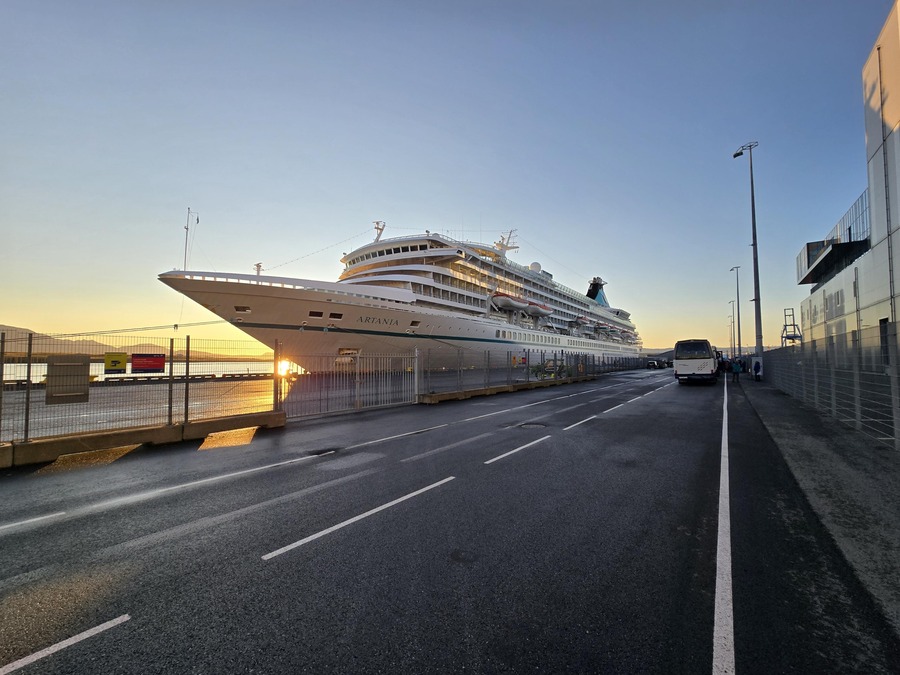

Event planning in Iceland has become increasingly relevant for international planners organizing meetings, incentive travel, leadership retreats, and corporate events. Its combination of distinctive landscapes, modern infrastructure, accessibility, and varied experiences allows international planners to create programmes that differ from those offered in more conventional event destinations.
At the same time, event planning in Iceland requires an understanding of how the destination operates. The country may appear compact on a map, but geography, transportation, seasonality, daylight, and regional infrastructure can have a significant effect on how a programme is delivered.
For event planners, these factors are best considered at the beginning of the planning process. Doing so helps establish realistic schedules, select suitable locations, and create an experience that works for the group rather than simply fitting as many activities as possible into the available time.
Iceland Requires a Different Approach to Event Infrastructure
Iceland operates differently from many established European event destinations. In major cities, hotels, conference facilities, restaurants, entertainment, and other services are often concentrated within a dense urban area. Iceland’s most distinctive experiences, however, are frequently connected to the landscape and located outside Reykjavík.
This affects how an event programme is designed. Reykjavík can provide a practical base for meetings, presentations, and corporate gatherings, while excursions can introduce groups to glaciers, waterfalls, geothermal areas, volcanic landscapes, black sand beaches, and other regional settings.
The landscape can therefore become part of the programme rather than simply serving as a backdrop. Guests may move from a formal meeting environment to a natural setting within the same day, creating a clear change in pace and setting without changing the purpose of the overall programme.
This also means that planners need to consider the surrounding environment when selecting venues and experiences. A location may be suitable in terms of capacity or setting but less practical when transportation, dining, guest movement, or the next scheduled activity are taken into account.
The most effective programmes tend to focus on how the different elements connect. Instead of measuring success by the number of stops, planners can consider whether each location contributes to the objectives of the event and whether participants have enough time to experience it properly.
Transportation and Timing Require More Attention
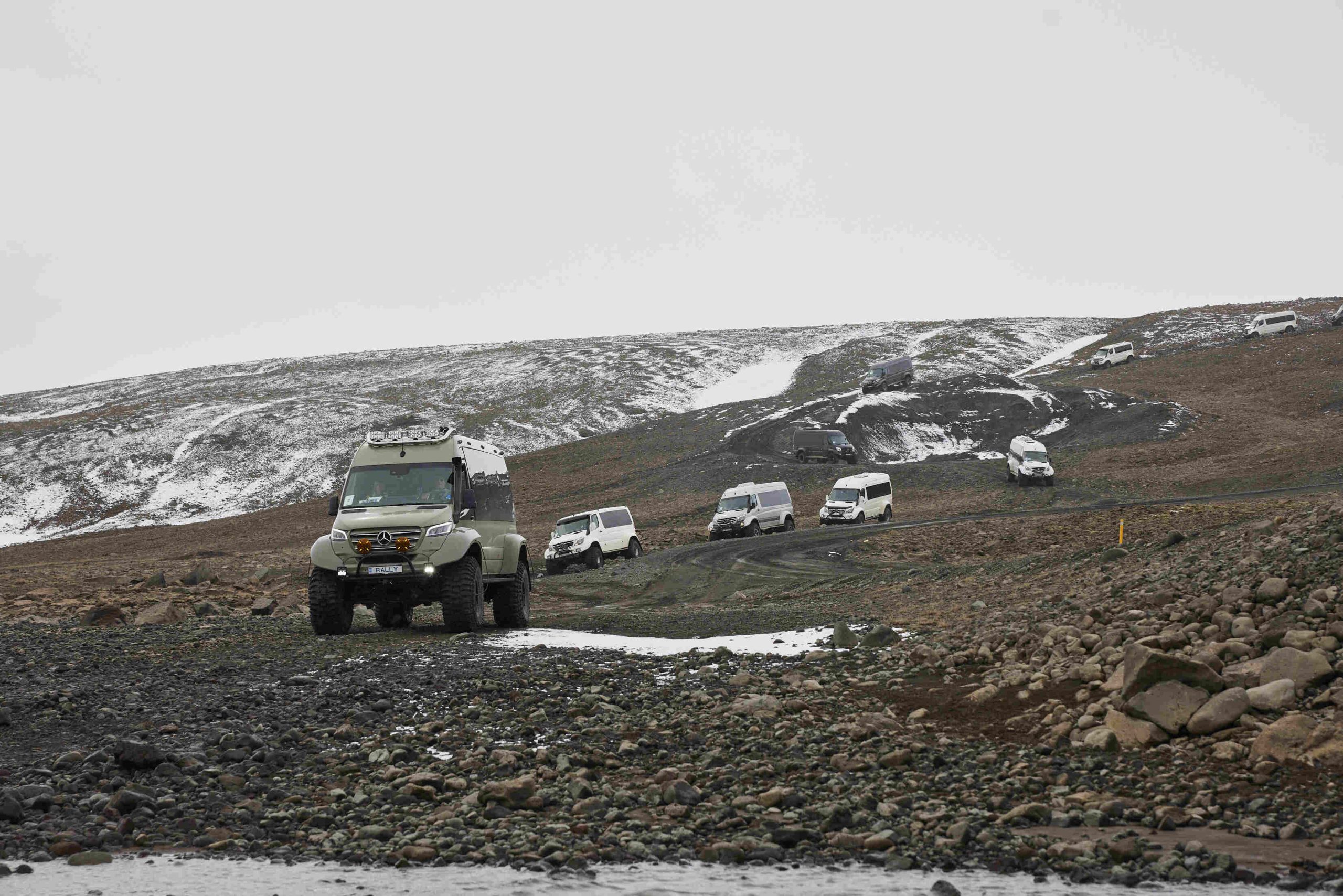
Distances in Iceland can be misleading when viewed only on a map. A relatively short journey can require considerable planning when a programme involves coaches, luggage, meals, activities, and the movement of a large group. Transportation is therefore an important consideration in event planning in Iceland.
Transportation planning therefore needs to account for more than driving time. Road conditions, seasonal daylight, group size, meal schedules, activity timings, and the availability of regional services can all affect the way a day operates.
For larger groups, these considerations become more important. Dinner service for 150 guests in a regional location may require a different operational approach from the same group dining in a major European capital. Coaches may need coordinated arrival and departure times, while venues and restaurants may need to prepare for the group’s specific requirements.
Small delays can also affect several parts of the schedule. A late departure can reduce time at an activity, affect a meal reservation, or push the rest of the programme later into the day.
Building appropriate flexibility into the itinerary can help manage these situations. This does not mean leaving the programme undefined. Rather, it means understanding which elements require fixed timings and where there is enough room to adjust without affecting the wider schedule.
Transfers themselves can also contribute to the experience. Moving through Iceland’s changing landscapes can provide context for the destination and give participants time to transition between formal sessions and other activities.
Balancing Business With the Destination
Corporate events in Iceland can combine formal business activities with nature, wellness, exploration, dining, and shared experiences. The key is to ensure that these elements support the purpose of the programme rather than compete with it.
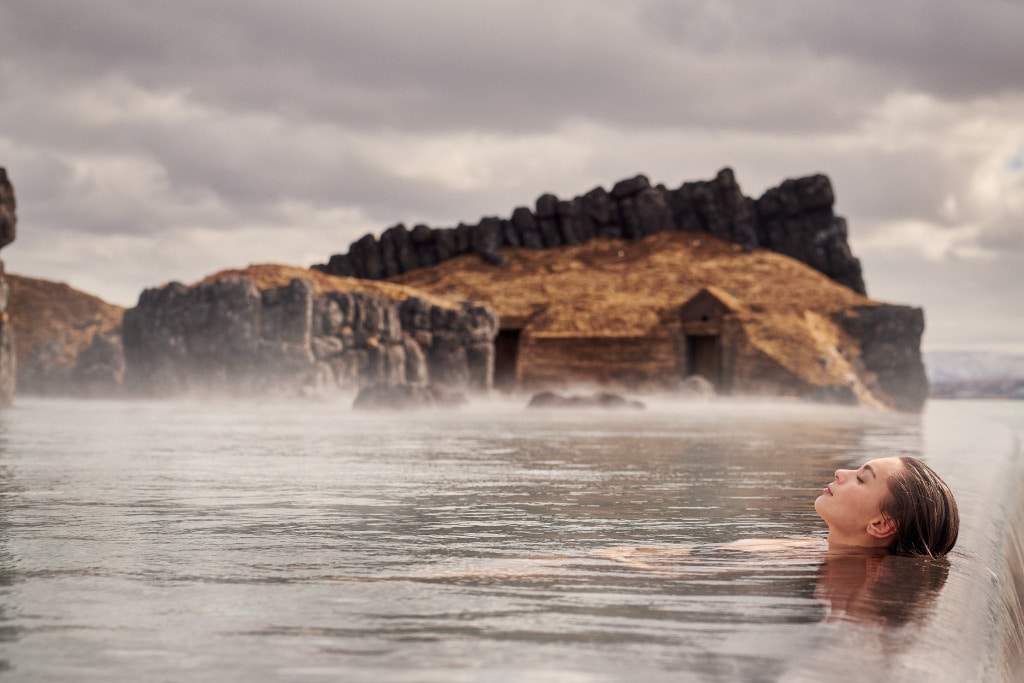
A group may spend the morning in presentations or strategy sessions before travelling to a geothermal experience or regional dinner. Another programme might include glacier activities, snowmobiling, whale watching, or time in the countryside, depending on the objectives of the event, the season, and the group’s profile.
This change in setting can provide a useful contrast to formal meetings. Participants have opportunities to interact in less structured surroundings, which can be particularly relevant for leadership retreats, executive gatherings, incentive programmes, and multinational teams.
The appropriate balance will differ between groups. An executive retreat may require a quieter programme with greater privacy and time for discussion, while an incentive programme may place more emphasis on shared activities and destination experiences. A leadership gathering may require both, with enough structure for business objectives and enough space for informal interaction.
Programme design should therefore begin with the reason for bringing the group together. Once the objectives and participant profile are clear, experiences can be selected for their relevance rather than added simply because they are available.
Seasonality Shapes the Programme
Seasonality has a direct effect on event planning in Iceland. Summer and winter offer different conditions, and the time of year can influence activity selection, transportation, guest energy, photography, and the structure of the day.
During summer, long daylight hours create greater flexibility for outdoor activities, regional travel, evening programmes, and outdoor dining. In June and July, daylight can remain visible late into the evening, giving planners more options when arranging excursions or returning from regional experiences.
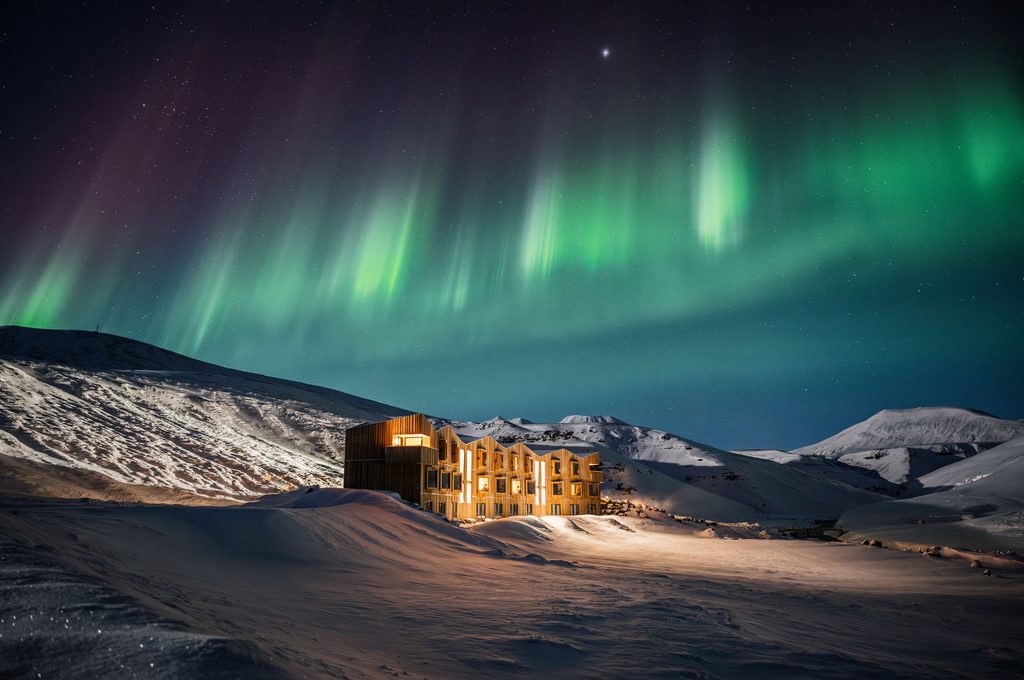
Winter presents a different environment. Shorter daylight hours, snow-covered landscapes, geothermal experiences, and opportunities to see the Northern Lights can support a more intimate programme. These conditions also require closer attention to timing and contingency planning.
The season should consequently be considered before individual experiences are confirmed. An activity that works well within a summer schedule may require a different departure time or duration during winter.
Seasonality also affects the atmosphere of the event. Summer can support longer days and a more open schedule, while winter can create a more contained rhythm. Understanding this difference allows planners to select experiences and timings that are appropriate for the event rather than trying to reproduce a summer-style itinerary in another season.
Variety Within a Short Programme
One of Iceland’s practical advantages for international corporate events is the range of environments that can be incorporated into a relatively short programme.
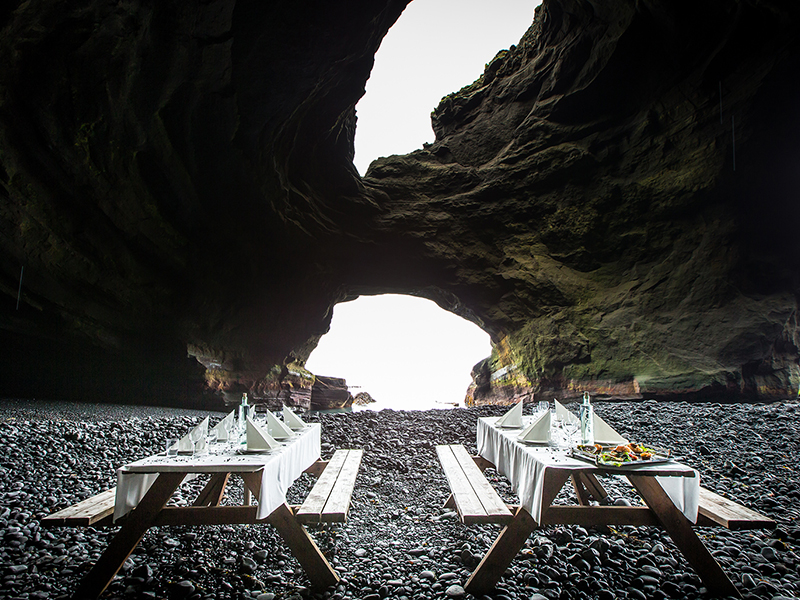
A five- or six-day event can potentially combine Reykjavík meetings with glaciers, waterfalls, geothermal areas, volcanic landscapes, black sand beaches, wellness experiences, dining, and outdoor activities. The exact programme will depend on the group’s objectives, season, accommodation, and available time, but the variety allows planners to create contrast without relying on domestic flights.
This can be useful for international organisers working with limited schedules. In larger destinations, significant portions of a short programme may be spent on internal flights or moving between distant cities. For programmes centred on Reykjavík, Southwest Iceland and parts of South Iceland, contrasting settings and experiences can often be incorporated without requiring domestic flights, depending on the season, group profile and available time.
The benefit is not simply the number of experiences available. It is the ability to create variation within a limited timeframe. A programme can move from a formal business environment to a regional landscape, a geothermal setting, or a carefully selected dining experience without requiring participants to repeatedly change destinations.
For shorter incentive trips and executive retreats, this can help maintain a coherent programme while giving participants a broader understanding of Iceland.
Accessibility and Reliability for International Groups
Accessibility is an important consideration for planners bringing participants from different markets. Iceland’s location in the North Atlantic places it between Europe and North America, making it a practical option for groups travelling from both regions.
The international arrival point also needs to be considered as part of the programme itself. The journey from Keflavík International Airport into Reykjavík, for example, represents the first stage of the guest experience and needs to be coordinated with accommodation, meetings, transportation, and any activities scheduled on arrival.
For international companies, reliability and safety are equally important considerations. Groups involving senior leadership, clients, or multinational participants require a destination and supplier network capable of supporting the programme’s practical requirements.
These considerations extend beyond the event venue. Transportation providers, hotels, restaurants, guides, activity operators, and other suppliers all contribute to how reliably the programme can be delivered.
Planners should therefore assess the destination as an operating environment rather than looking only at individual venues or attractions. The question is not simply whether a location can accommodate the group, but whether it can do so within the schedule, service expectations, transportation plan, and wider requirements of the event.
Why Local Knowledge Makes a Difference
The practical details behind an event often determine whether a programme runs as intended. Regional supplier relationships, venue suitability, realistic travel times, transportation flow, activity sequencing, and contingency planning all require local understanding.
An Iceland-based Destination Management Company can provide that perspective during the planning process. Rather than simply identifying available experiences, a local partner can assess how those experiences fit the group’s size, objectives, schedule, season, and other operational requirements.
Consider a programme that combines arrivals through Keflavík International Airport, meetings in Reykjavík, a geothermal experience, regional dining, and activities along the South Coast. Delivering that itinerary involves coordination between hotels, transportation providers, restaurants, venues, guides, activity operators, and operational teams.
The individual components may each be straightforward, but the programme depends on how they connect. Arrival times affect transportation. Transportation affects activity timings. Activities affect meals and subsequent transfers. Regional capacity can also determine whether a particular arrangement is appropriate for the group.
Local relationships can be particularly valuable when a programme requires customised arrangements, regional services, or experiences that are difficult to organise independently. They can also help planners identify practical limitations before they become issues during the event.
For Atlantik, this operational understanding is central to meetings, incentive travel, and corporate programmes in Iceland. The focus is on how the complete programme will function on the ground, not simply on how many experiences can be included. With decades of destination-management experience, Atlantik brings this operational perspective to meetings, incentives and corporate programmes across Iceland.
Iceland rewards this approach. The strongest programmes are not necessarily the busiest. They are the ones where transportation, activities, meetings, dining, and free time have been considered as parts of the same experience.
Thoughtful planning may mean fewer hotel changes, a more balanced schedule, or enough flexibility to respond to changing conditions. It can also allow participants to notice elements that cannot be placed neatly on an agenda, whether that is the landscape during a transfer, changing light, or time spent together outside a formal meeting.
For international event planners, understanding these practical realities is essential. Iceland can provide a distinctive setting for corporate programmes, but the quality of the experience depends on designing the itinerary around how the destination actually works.