
When Can You See the Northern Lights in Iceland?
The Northern Lights are one of the main reasons many travelers visit Iceland during the winter season. Every year, visitors arrive hoping to see the green waves of the aurora moving across the Arctic sky. Although a sighting can never be guaranteed, Iceland offers excellent conditions for Northern Lights viewing, with its northern location, long winter nights, and large areas with very little light pollution.
For travel professionals, the challenge is not simply knowing when the aurora season begins. Weather can change quickly in Iceland, clear skies may be found in one region but not another, and the lights themselves are unpredictable. A good winter programme leaves room for that uncertainty, with more than one possible viewing opportunity rather than relying on a single evening. This guide looks at the Northern Lights season in Iceland, the conditions that affect visibility, where to see them, and what to consider when including the experience in a winter itinerary.
What Are the Northern Lights?
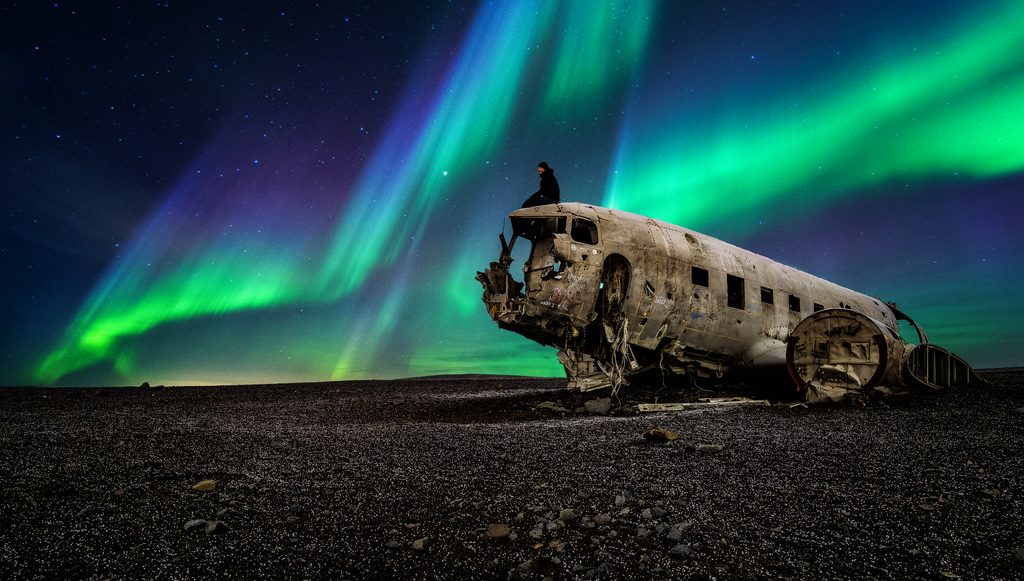
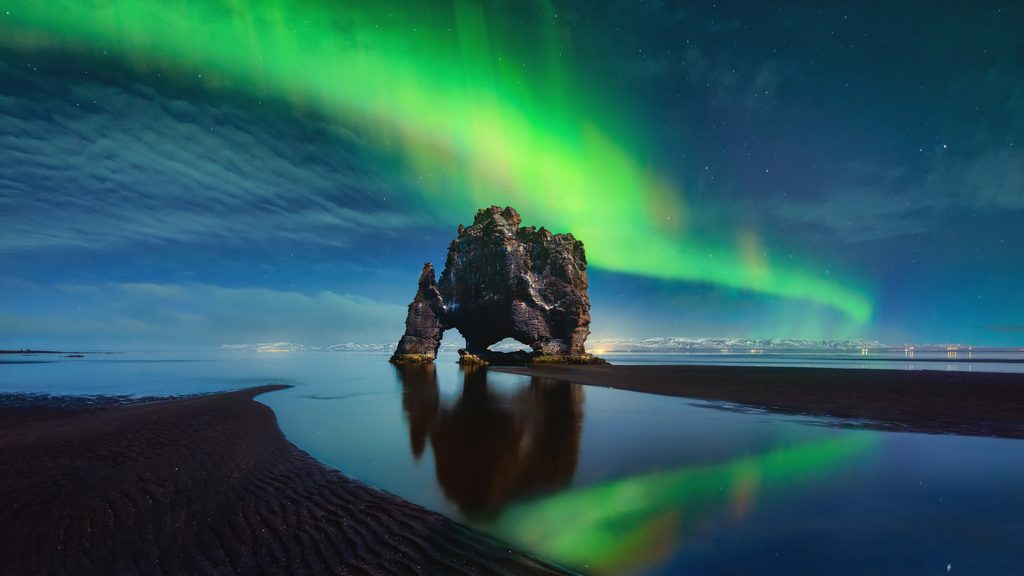
The Northern Lights, also known as the Aurora Borealis, are caused by particles from the sun interacting with gases in the Earth’s atmosphere. The result is the moving light that can appear across the night sky in shades of green, white, purple, pink, and red. They are most visible in regions close to the Arctic Circle, making Iceland well placed for aurora viewing throughout the darker months.
Activity varies from night to night. Some evenings bring strong displays visible across large parts of the country, while on others there may be little or no visible activity. This unpredictability is part of the experience and something worth setting clear expectations around when planning for clients.
When Is Northern Lights Season in Iceland?
The Northern Lights season in Iceland generally runs from the end of August until the middle of April. Darkness is the deciding factor. During the Icelandic summer, daylight lasts well into the night and around the summer solstice the sun barely sets. Aurora activity can still occur, but the sky is simply too bright for it to be visible. From late August onwards, the nights gradually become darker. The main viewing period is from September to March, when there is enough darkness for regular opportunities to see the aurora.
Choosing when to travel depends on more than the Northern Lights alone. September and March offer more daylight for daytime experiences, while the middle of winter brings much longer periods of darkness but can also mean more demanding weather and road conditions. The right timing depends on the programme as a whole.
Best Months to See the Northern Lights in Iceland
September and October
Early autumn is one of the most popular times for Northern Lights travel in Iceland. Temperatures are generally milder than in midwinter, road conditions are often easier, and there is still enough daylight to combine evening aurora viewing with sightseeing during the day. September also marks the return of properly dark nights after the bright Icelandic summer, which makes it a practical time for programmes that want to include the Northern Lights without giving up too much daytime.
November to January
These are the darkest months of the year in Iceland. Around December, Reykjavík receives only around four to five hours of daylight each day, giving travelers a much longer window for potential aurora sightings. However, the trade-off is the weather. Strong winds, snow, and cloud cover can affect both visibility and travel, so winter itineraries need some flexibility rather than being planned too tightly around one location or evening.
February and March
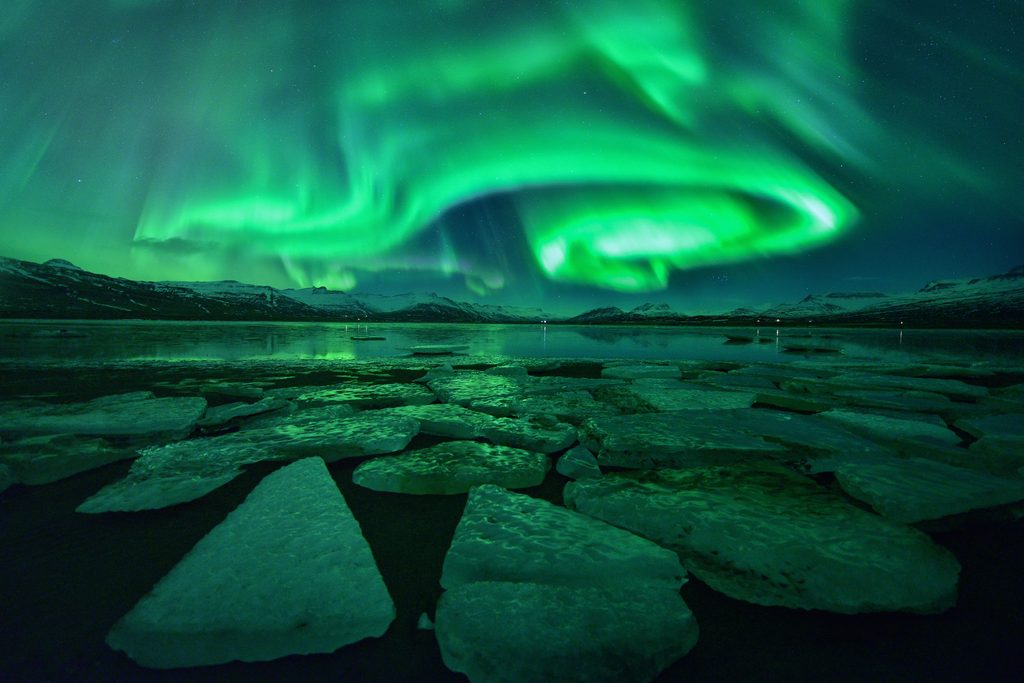
Late winter offers another good balance. Nights remain dark enough for Northern Lights viewing, while the days gradually become longer. Snow-covered landscapes can also provide a striking setting for photography.
By March, the additional daylight gives travelers more time for daytime activities while evenings remain dark enough for aurora viewing. For many itineraries, that balance works particularly well.
What Conditions Are Needed to See the Northern Lights?
Seeing the Northern Lights depends on several factors working together at the same time.
Darkness
The sky must be dark enough for the aurora to become visible, which is why sightings are mainly limited to autumn and winter. In Iceland, the best viewing hours are often between 9 PM and 2 AM, although activity can occur at any time during dark hours.
Clear Skies
Cloud cover is one of the biggest challenges for aurora viewing in Iceland. Even strong solar activity cannot be seen through thick clouds, so weather forecasts and cloud maps are important tools when deciding where to look on any given night.
Conditions can change quickly. A cloudy evening in one region may become clear later at night, while another part of the country may have better visibility. This is where local knowledge and flexibility make a real difference. Rather than committing too far in advance to one location, plans can be adjusted according to the conditions on the night.
Solar Activity
Auroras are driven by solar particles emitted from the sun. The KP index is commonly used to indicate geomagnetic activity and can help give an idea of how active the aurora may be.
Higher KP values can produce stronger and more visible displays. However, even lower activity levels can create beautiful sightings in Iceland when skies are dark and clear. The KP index is useful as a guide, but it is only one part of the picture. Clear skies and darkness remain essential.
Can You See the Northern Lights in Reykjavík?
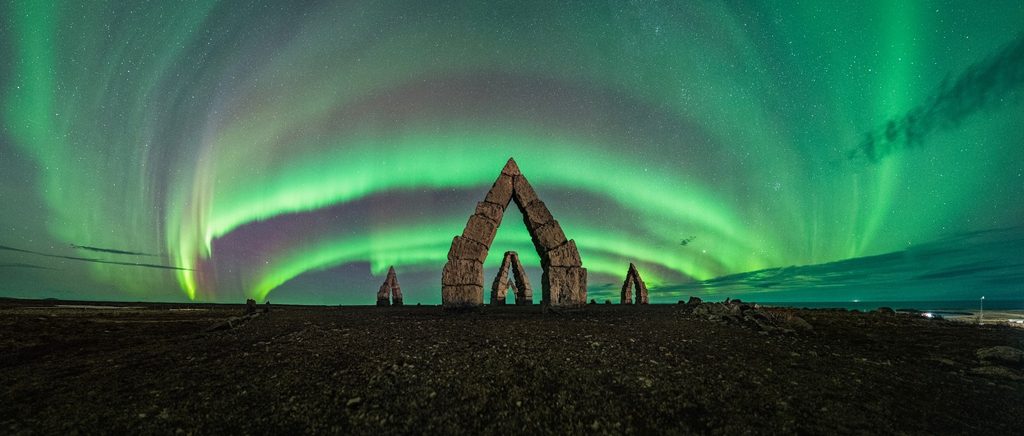
Yes, the Northern Lights can sometimes be seen directly from Reykjavík.
Light pollution from the city reduces visibility compared with darker rural areas, but on nights with strong aurora activity, the lights may still appear over the capital. Popular viewing spots include Grótta Lighthouse, the surroundings of Perlan, and areas along the coastline away from city lights.
Travelers staying in Reykjavík often choose guided evening excursions that head outside the city in search of darker skies and better conditions. This can work well within a Reykjavík-based itinerary, as there are viewing areas within reasonable reach of the capital and the exact location can be chosen according to conditions on the night.
Where Are the Best Places in Iceland to See the Northern Lights?
One of Iceland’s advantages is the large amount of open countryside with limited light pollution. There is no single best place to see the Northern Lights, and the right location often comes down to weather, road conditions, where guests are staying, and how the experience fits into the wider itinerary.
Some of the most popular regions for aurora viewing include:
South Iceland
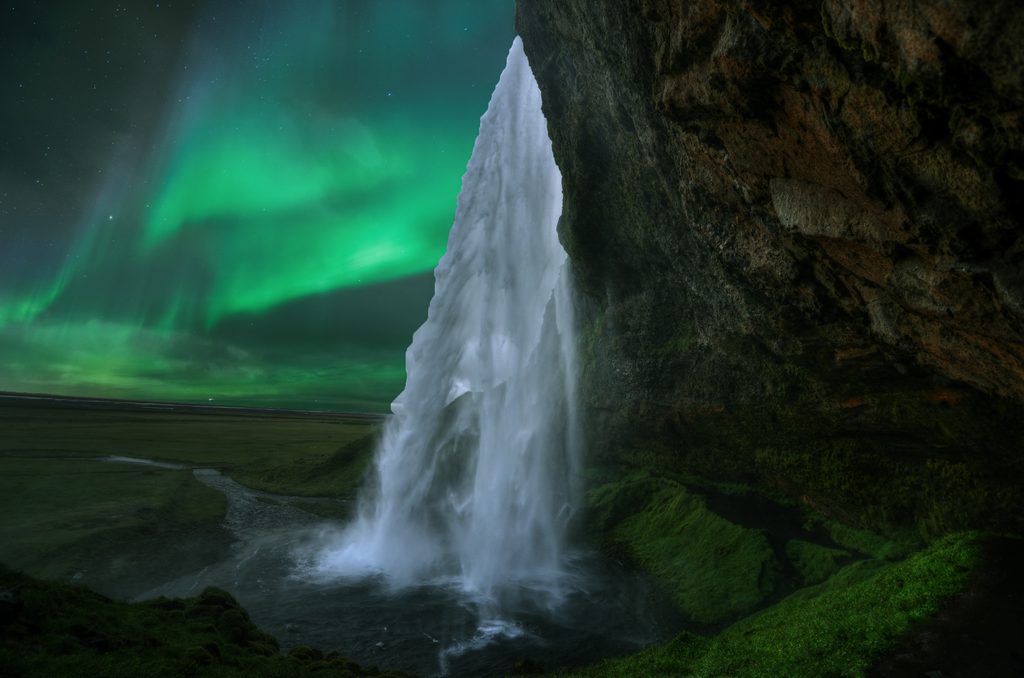
The South Coast is one of the most visited areas during winter. Locations near waterfalls, black sand beaches, and glacier landscapes can provide striking surroundings for aurora photography, while the region’s accessibility and range of accommodation make it relatively easy to include within a longer winter programme.
Snæfellsnes Peninsula
Often called “Iceland in Miniature,” the Snæfellsnes Peninsula combines mountains, lava fields, and coastal scenery with relatively dark skies. Its varied landscapes also mean that Northern Lights viewing can sit naturally alongside a broader exploration of the peninsula rather than being the sole reason for visiting.
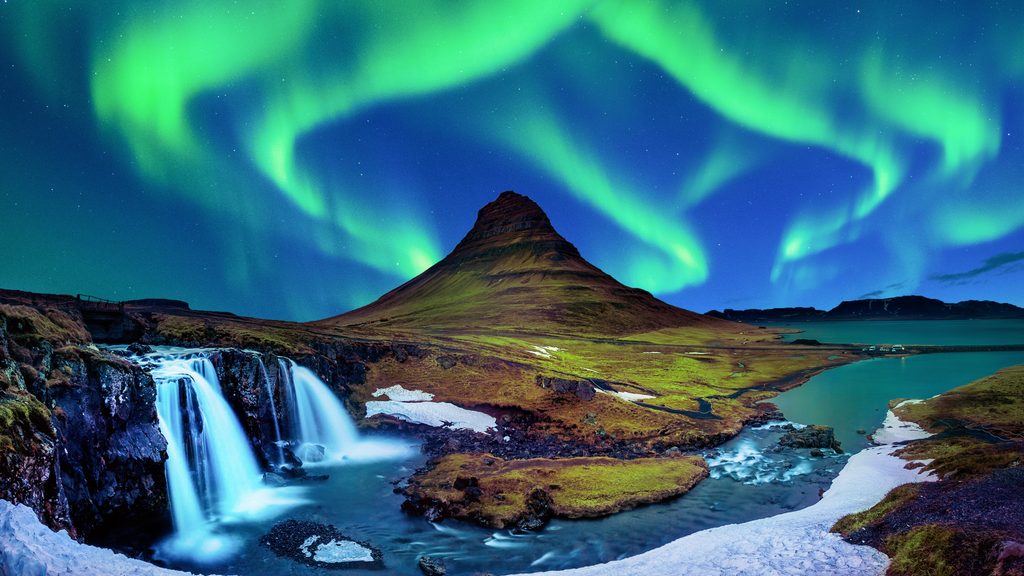
North Iceland
Northern regions around Akureyri can sometimes experience colder but clearer winter conditions. These areas are also farther from the light pollution of the capital region, making the aurora a natural addition to programmes that already include North Iceland.
Westfjords
The Westfjords remain one of Iceland’s quieter regions during winter and offer extremely dark conditions for aurora viewing. However, winter travel can be more demanding due to weather and potential road closures. For this reason, choosing a Northern Lights location should never be based on darkness or scenery alone. Accessibility, road conditions, accommodation, transfer times, and the wider itinerary all matter, particularly during the Icelandic winter.
Are the Northern Lights Guaranteed in Iceland?
No. The Northern Lights are a natural phenomenon and can never be guaranteed.
Even during peak season, visibility depends on weather conditions, cloud cover, solar activity, and darkness. Some travelers may see strong displays several nights in a row, while others may experience limited visibility during their stay. For this reason, it is better to allow for several possible viewing opportunities rather than building the itinerary around one fixed evening. In a bespoke programme, that flexibility can be worked into the wider schedule so that the trip remains rewarding regardless of whether the aurora appears.
How Cold Is It During Northern Lights Season?
Winter temperatures in Iceland are often milder than many travelers expect due to the influence of the North Atlantic Ocean. Winters in Reykjavík are relatively mild for Iceland’s latitude, although temperatures commonly hover around freezing and conditions can feel considerably colder in strong winds. Travelers searching for the Northern Lights should prepare with insulated layers, waterproof outerwear, gloves, hats, and sturdy winter footwear.
Weather conditions can also change quickly outside urban areas. Warm clothing is only part of the planning. Comfortable transport and sensible waiting times matter too, especially for private groups or guests who may spend a long evening outside waiting for the sky to clear.
Tips for Seeing the Northern Lights in Iceland
Stay Multiple Nights
A longer stay increases the chances of experiencing suitable conditions. Whenever the itinerary allows, having more than one evening available for Northern Lights viewing gives guests a better chance of encountering clear skies and active aurora.
Monitor Weather Forecasts
Cloud forecasts are often just as important as aurora forecasts. Conditions can differ considerably between regions, and forecasts can help determine where clearer skies are most likely on the night.
Leave the City
Darker areas away from artificial lighting generally provide better visibility. It is not always necessary to travel far, but moving away from Reykjavík and other built-up areas can make a noticeable difference.
Be Patient
Aurora activity can appear suddenly and may vary in intensity throughout the night. A quiet sky early in the evening does not necessarily mean it will stay that way.
Dress Properly
Many sightings involve spending extended periods outdoors during cold conditions. Warm, weatherproof clothing makes the wait considerably more comfortable, particularly on windy winter nights.
Planning Your Northern Lights Experience in Iceland
The Northern Lights remain one of Iceland’s most remarkable natural experiences. While sightings can never be guaranteed, Iceland offers strong conditions for aurora viewing thanks to its northern latitude, long winter nights, and wide open landscapes.
Travelers visiting between the end of August and the middle of April have the best opportunities to experience the phenomenon, especially when combining flexible travel plans with favorable weather conditions and dark skies. The key is to plan for the Northern Lights without allowing the entire journey to depend on them. A well-designed winter itinerary leaves room to respond to the weather, offers more than one potential viewing opportunity, and remains worthwhile even if the aurora does not appear.
For Atlantik, this means looking at the Northern Lights as part of the wider programme. Timing, transport, accommodation, winter conditions, and the interests of the guests all shape how the experience is planned. With local knowledge and flexibility built in from the beginning, an unpredictable natural phenomenon can be incorporated into a considered Iceland itinerary without overpromising what nature will provide. For professional travel partners looking to incorporate the Northern Lights into a bespoke Iceland programme, Atlantik’s destination specialists can provide local insight and support from planning through execution.