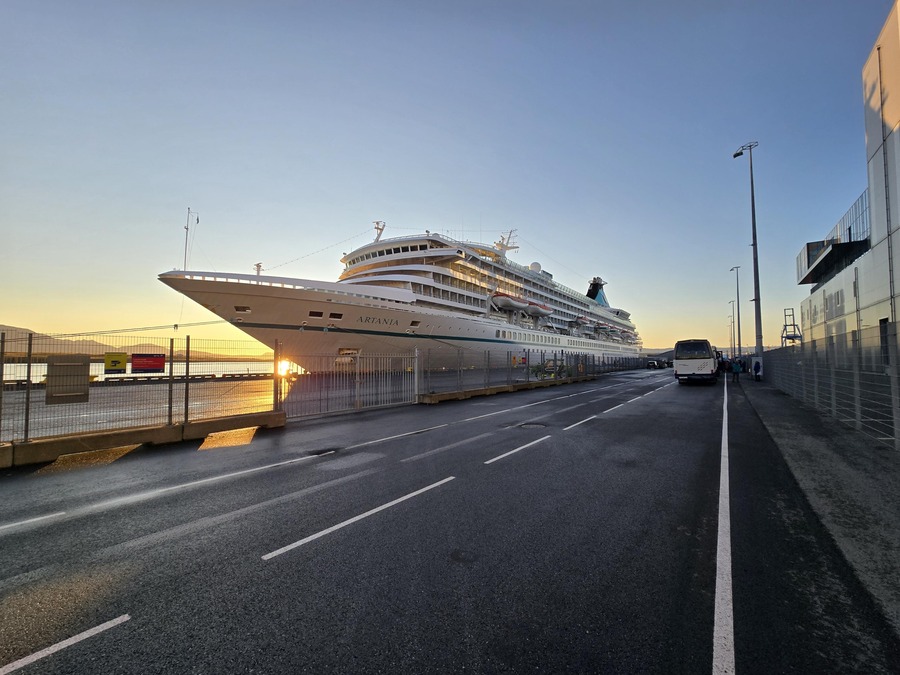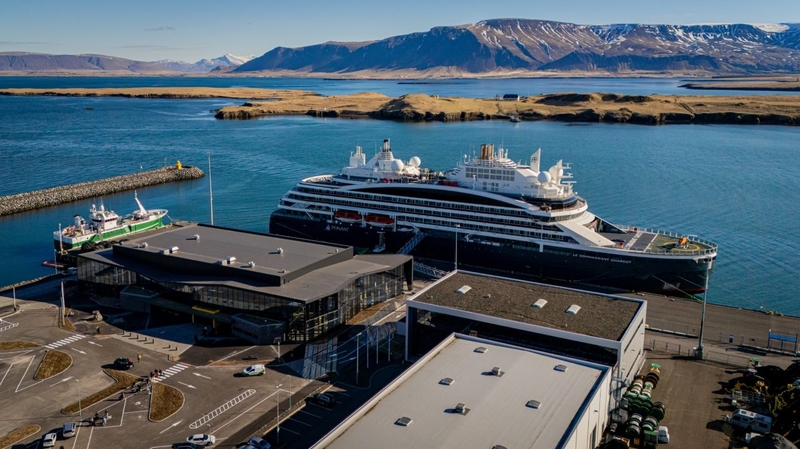

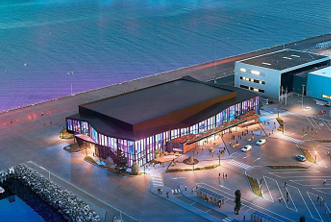
Reykjavík is entering a new phase as a cruise destination with the opening of the VÖR cruise terminal in 2026. Located in Sundahöfn, just a few minutes from the city center, the terminal replaces older facilities and introduces a modern, purpose built space designed to handle larger ships and higher passenger volumes.
The Story Behind the Name
The name VÖR reflects both function and identity. It was selected through a public naming competition organized by Faxaflóahafnir, where thousands of suggestions were submitted. In Icelandic, “vör” refers to a landing place where boats come ashore, marking the transition from sea to land. The meaning aligns closely with the role of the terminal as the first point of arrival for many visitors to Iceland.

Strengthening Reykjavík as a turnaround port
VÖR plays a key role in strengthening Iceland as a turnaround destination. More cruise itineraries will begin or end in Reykjavík rather than simply stopping for a day visit. This shift increases the value of each call, as passengers require hotels, transfers, and pre and post programs, creating broader opportunities across the tourism sector.
A new standard for cruise operations
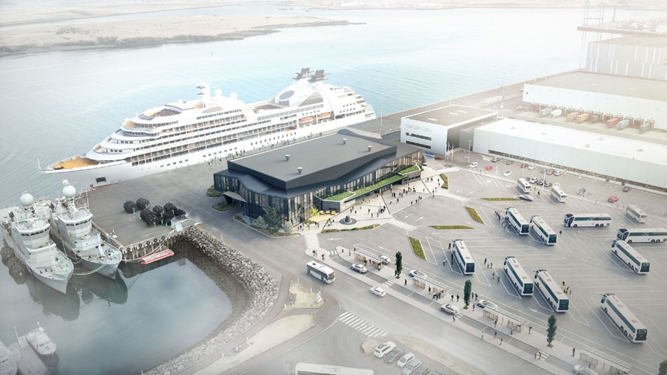
The terminal changes how operations are handled. Passenger flow becomes more structured, with defined pickup areas and tighter time windows. This allows for more efficient boarding and disembarkation, but it also requires a higher level of coordination from cruise lines and their local partners
Year round use and MICE potential
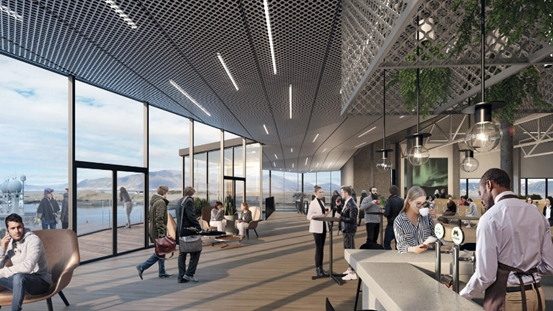
VÖR is designed for more than cruise season. Outside the summer months, the space can host events and gatherings, linking cruise infrastructure with the wider MICE sector and expanding its role beyond portoperations.
Atlantik at VÖR
Within this new setup, on site coordination becomes critical. Atlantik manages shore excursions and full turnaround operations from start to finish in Iceland and will operate from a dedicated space within VÖR, coordinating passenger flow, transport, and group logistics directly at the terminal. VÖR strengthens Reykjavík’s position as a key cruise hub in the North Atlantic. It increases capacity, supports the growth of turnaround operations, and raises the standard for how cruise operations are executed in Iceland.