

What is MICE in Iceland? For an international corporate event, the destination influences how guests arrive, interact and experience the programme. Choosing Iceland therefore begins with the purpose of the gathering: what should the event achieve, and how can the destination support those objectives?
Iceland combines established meeting infrastructure, contemporary hospitality and experiences shaped by its volcanic landscapes and geothermal culture. For professional planners, the task is to bring these elements together in a programme with a clear business purpose while retaining a strong connection to the destination. Atlantik’s article on incentive travel in Iceland explores this aspect in greater detail.
This guide considers the practical decisions behind that programme, from event format and venue selection to seasonality, budgets, guest requirements and delivery.
Start with the Purpose of the Programme
MICE covers meetings, incentives, conferences, and exhibitions or events. Although these formats may use many of the same hotels, venues and suppliers, their priorities can differ considerably.
A leadership meeting may depend on confidentiality, uninterrupted discussion and a small number of carefully selected shared experiences. An incentive programme places greater emphasis on recognition, personal attention and time for guests to enjoy the destination. Conferences require reliable delegate movement, appropriate presentation facilities and opportunities for conversation between sessions. A product launch brings additional requirements, including production access, rehearsals, branding and control over the guest environment.
Before selecting experiences, establish the intended outcome, decision-makers, guest profile and essential programme elements. Define what success should look like after the event, whether that means stronger partner relationships, recognition of performance, agreement on strategic priorities or engagement with a new product.
That brief provides a practical basis for the decisions that follow. It also helps distinguish between elements that are essential to the event and those that can remain flexible.
Choose the Base and Venues Together
Accommodation and event space should be assessed as one connected decision. A hotel may suit the guest profile while creating additional transfers or requiring an external venue for the main meeting.
Reykjavík offers a range of properties for corporate groups, from central hotels with a strong sense of place to larger properties with dedicated meeting facilities. Location can affect evening arrangements, coach access and the freedom guests have between scheduled activities. Atlantik’s guide to large hotels in Reykjavík provides a starting point for comparing these options.
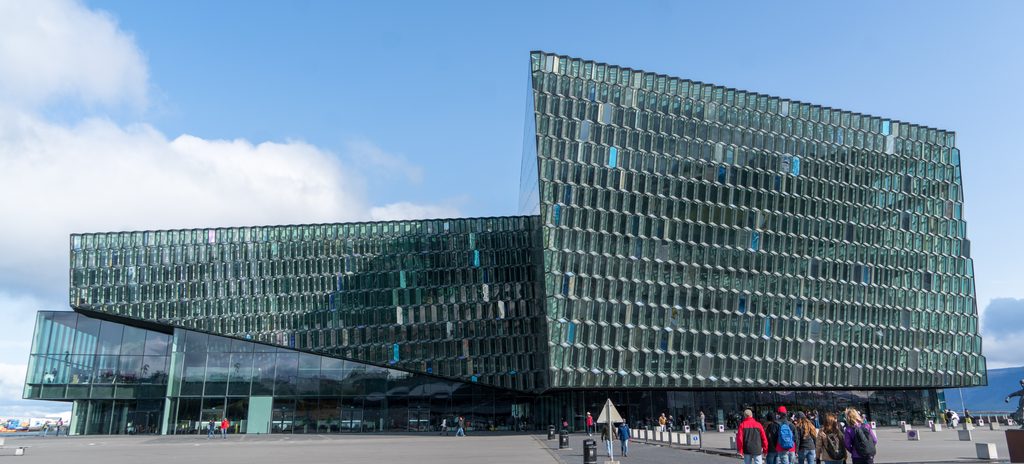
For events requiring a dedicated conference setting, Harpa Concert Hall and Conference Centre offers flexible halls and meeting rooms beside Reykjavík’s harbour. Its suitability should be assessed against the actual event layout, technical requirements and supporting spaces.
Venue capacity is only one part of the assessment. Once staging, screens, catering, registration and circulation are included, the usable space can differ from the advertised capacity. Planners should also confirm whether breakout rooms are available alongside the plenary, where speakers can prepare and how guests will move during breaks.
A retreat outside the capital requires the same level of attention to the complete operating picture. Room allocation, private meeting space, dining capacity, access and the time required to reach each activity all need to work for the group. A property’s atmosphere should be supported by arrangements that remain practical throughout the programme. This is why utilizing MICE in Iceland can help you achieve a smooth travel.
Let the Season Shape the Agenda
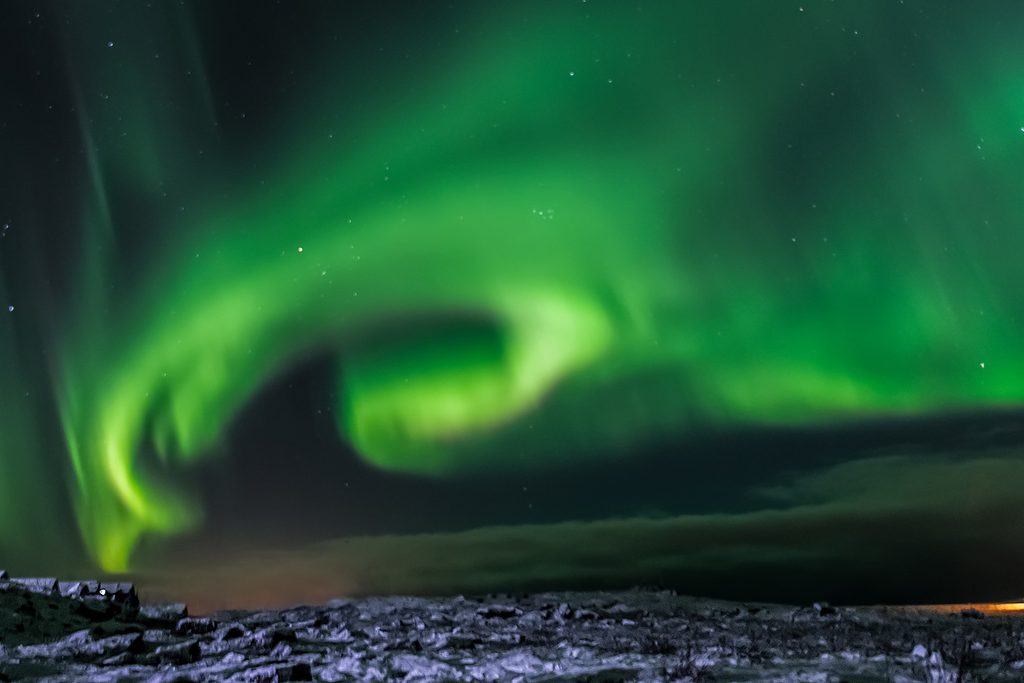
Iceland’s daylight and travel conditions change substantially through the year. Summer offers long evenings and greater scope for outdoor scheduling, while winter brings shorter days and the possibility of Northern Lights viewing. Winter programmes also require greater flexibility around weather and road conditions. Spring and autumn call for their own assessment of daylight, access and supplier availability. Atlantik’s seasonal guide to Iceland provides further context on these seasonal differences.
For planners, the practical implication is to build the agenda around the dates rather than treating the season as a secondary consideration. An afternoon allocated to an outdoor experience in summer may need to occupy a different position in a winter programme because of daylight and operating conditions.
Northern Lights viewing should remain an optional opportunity rather than a fixed programme outcome, as visibility depends on suitable conditions. The evening should still retain its value through dining, hospitality or another planned element if a sighting is not possible.
Potential dates should be compared against the complete brief, including flight options from the group’s origin markets, hotel availability, meeting requirements and the experiences that are central to the programme.
Design Incentive Experiences Around the Guests
An incentive programme communicates recognition through the way the experience is designed. The activities, level of service and amount of free time should therefore reflect the guest profile rather than simply filling the itinerary with high-profile experiences.
In Iceland, suitable options may include geothermal bathing, guided exploration, regional dining or time in glacier and volcanic environments, depending on the season and the requirements of the group. The balance between activity, comfort and personal time remains central to the programme.
Participation should be considered before confirming the main experience. Establish physical requirements, clothing needs and accessibility, and determine whether guests would benefit from a choice of activities. Where alternatives are offered, each option should receive comparable attention and quality.
Privacy also needs a precise definition. Dedicated transport, a reserved dining room and exclusive use of an entire venue represent different arrangements. Confirming what is included ensures that the experience matches the expectations established in invitations and programme materials.
Time around the main experience also needs protection. Guests may need time to prepare, return comfortably and enjoy the evening without feeling that one activity is immediately followed by another.
Build the Budget Around the Complete Event
A meaningful proposal should make the full scope of the programme clear. In addition to accommodation and venue hire, planners should account for transport, guides, catering, technical production, staffing, private arrangements and contingency provisions.
Cost assumptions should be explicit from the outset. Does the room allocation require single occupancy? Can early arrivals be accommodated? Does the dinner price include beverages and production? Are transfers based on one arrival wave or several?
For MICE in Iceland, such as conferences and launches, setup and rehearsal requirements should be included from the beginning. A venue available for the guest-facing event may need to be secured earlier for installation, technical testing and other preparations.
Once the dates, approximate attendance and objectives are credible, sourcing can begin. Where flexibility exists, requesting comparisons between a small number of date or programme options can make the effect of each decision easier to evaluate before commitments are made.
Plan the Transitions as Carefully as the Highlights
The intervals between activities need space in the operating plan. Airport arrivals, hotel check-in, luggage handling, boarding, changing clothes and seating a group all require time, particularly when several movements take place in sequence.
A clear programme should identify who is responsible at each handover. The person managing a late arrival, for example, should have a clear route to the hotel team, while the evening host should know if an afternoon activity is running behind schedule.
Weather-sensitive elements also require agreed alternatives before the event. Specify who makes the decision, when it must be made and how the change will be communicated to guests. This is particularly relevant when outdoor experiences and road travel form part of the programme.
For more on this coordination, see Atlantik’s explanation of what a destination management company does in Iceland.
Include sustainability requirements in the Brief
Responsible event planning is most useful when it leads to specific decisions rather than remaining a general statement of intent.
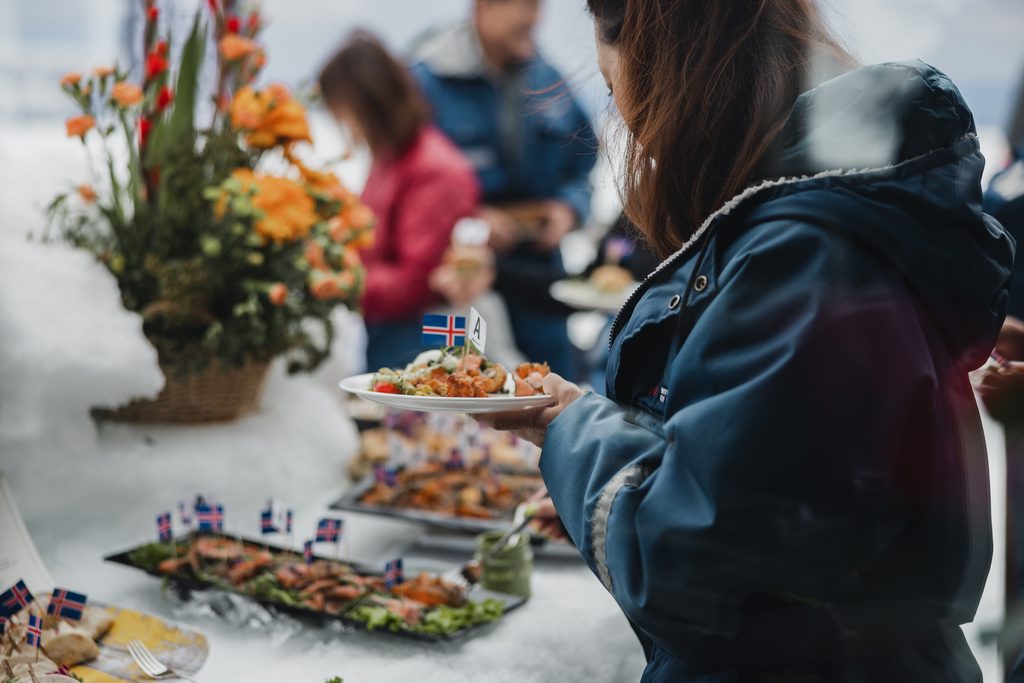
Suppliers can be asked about transport options, food waste, reusable event materials and whether proposed locations are appropriate for the size of the group. Accessibility and dietary requirements should be included in sourcing from the beginning, while local businesses can contribute to the programme through guiding, food and cultural experiences.
If the organisation requires sustainability reporting, agree what information will be collected before contracts are finalised. Clear requirements give suppliers an opportunity to respond with evidence and realistic commitments.
Planning Your Iceland Programme with Atlantik
Atlantik brings more than four decades of destination-management experience to meetings, incentives, conferences and events in Iceland. Its work with international partners combines programme development, local supplier relationships and on-site project management. More information about this approach is available through Atlantik’s MICE services.
A useful first brief can include the purpose of the event, preferred dates, approximate guest numbers, origin markets, budget parameters and any essential meeting or hospitality requirements.
From there, the programme can be developed around the organisation’s objectives and the needs of its guests, with the practical considerations of Iceland taken into account from the outset.
To discuss a corporate event or incentive programme in Iceland, connect with Atlantik’s destination specialists.