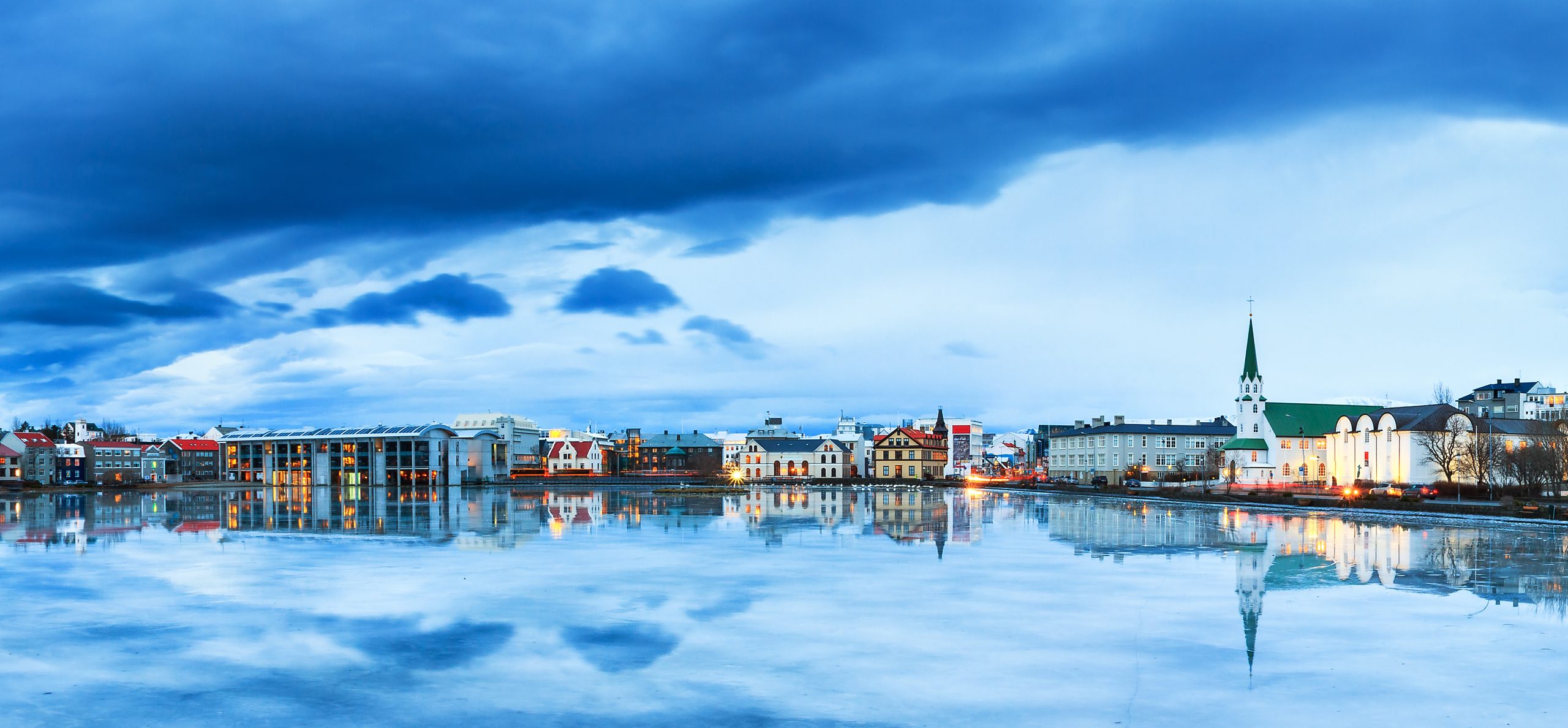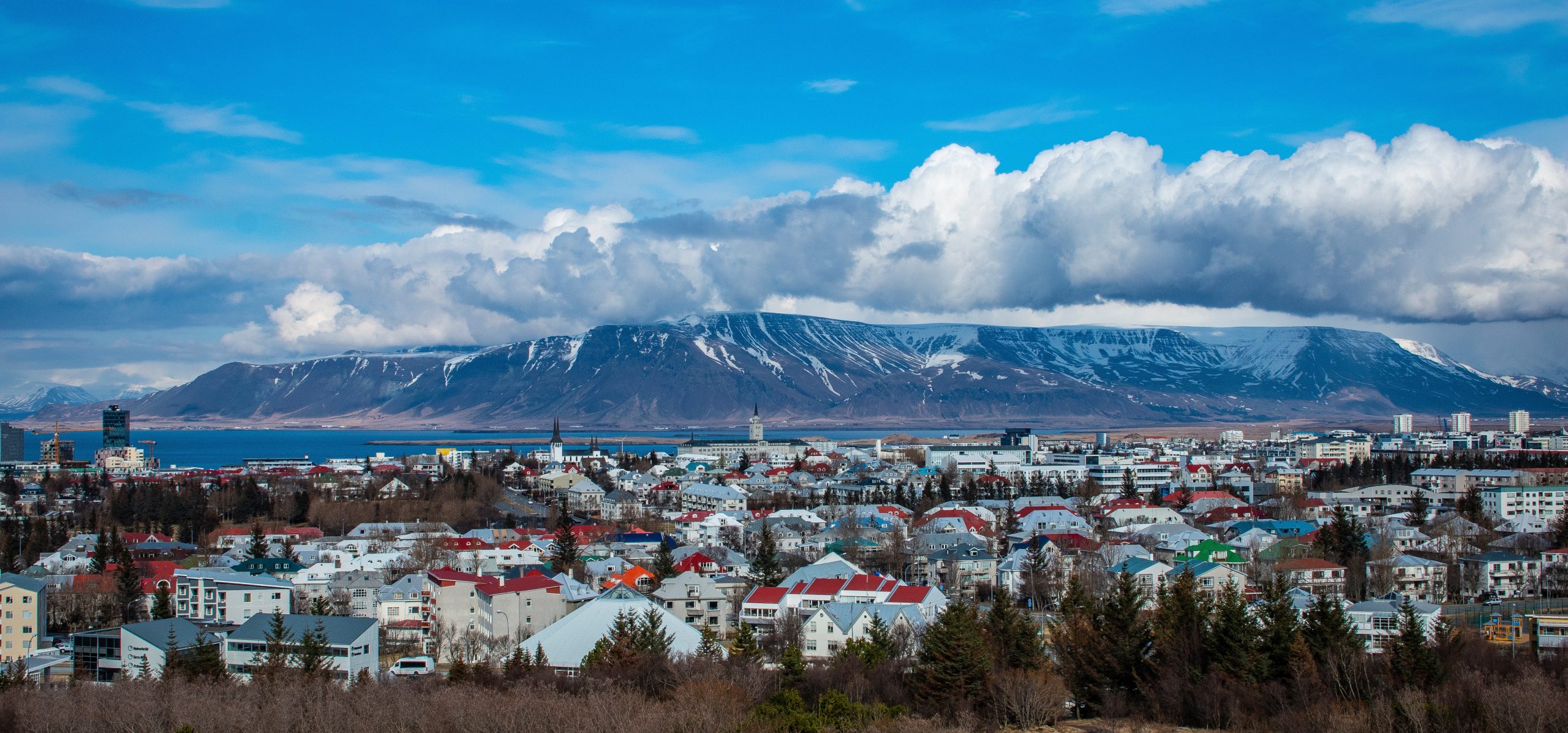

On 12 August 2026, the solar eclipse in Iceland was visible across the country, while Reykjavík and parts of western Iceland experienced the rare spectacle of a Total Solar Eclipse. As the moon moved directly between the earth and the sun, the path of totality crossed Reykjavík, Reykjanes, Snæfellsnes and parts of the Westfjords.
It was Iceland’s first total solar eclipse since 1954. For Reykjavík, the occasion was rarer still, as the capital had not experienced totality since 1433.
After years of calculations, travel planning and international interest, the defining moment lasted only minutes. And, in characteristically Icelandic fashion, the weather had its own part to play.
The Solar Eclipse in Reykjavík
In Reykjavík, the partial eclipse began at approximately 16:47, with totality arriving around 17:48.
Those hoping for an unobstructed view of the sun did not receive ideal conditions. Clouds covered much of the Reykjavík sky, illustrating one of the realities that had shaped eclipse planning in Iceland from the beginning: even an astronomical event predictable to the second remains subject to North Atlantic weather.
Yet the cloud did not mean that the eclipse passed unnoticed. As totality arrived, daylight diminished rapidly and Reykjavík entered an unusual twilight in the middle of a summer afternoon.
The conditions became part of the occasion, while also highlighting a familiar consideration for programmes built around natural phenomena: nature does not always follow a programme exactly as planned.
For professional travel planners, it was also a reminder of the importance of flexibility in Iceland. Weather and visibility can change quickly, making contingency planning an essential part of programmes centred around natural phenomena.
Where Was the Best Place to See the Eclipse in Iceland?
While the eclipse was visible across Iceland, only locations within the path of totality experienced the sun becoming completely covered by the moon.
In terms of duration on land, one of Iceland’s strongest viewing locations was Látrabjarg, at the western edge of the Westfjords. Totality there lasted approximately 2 minutes and 13 seconds, compared with roughly one minute in central Reykjavík.
Látrabjarg’s position in Iceland’s far west placed observers near one of the country’s longest periods of totality, while its open coastal setting provided a notable natural setting for viewing the eclipse.
The Snæfellsnes Peninsula was another important viewing area, combining a longer period of totality than Reykjavík with open horizons and varied coastal landscapes.
Choosing a viewing location for the solar eclipse involved more than finding an attractive setting. Duration, road access, weather forecasts, visibility, guest numbers and the ability to adjust plans all had to be considered.

How Long Did the 2026 Solar Eclipse Last?
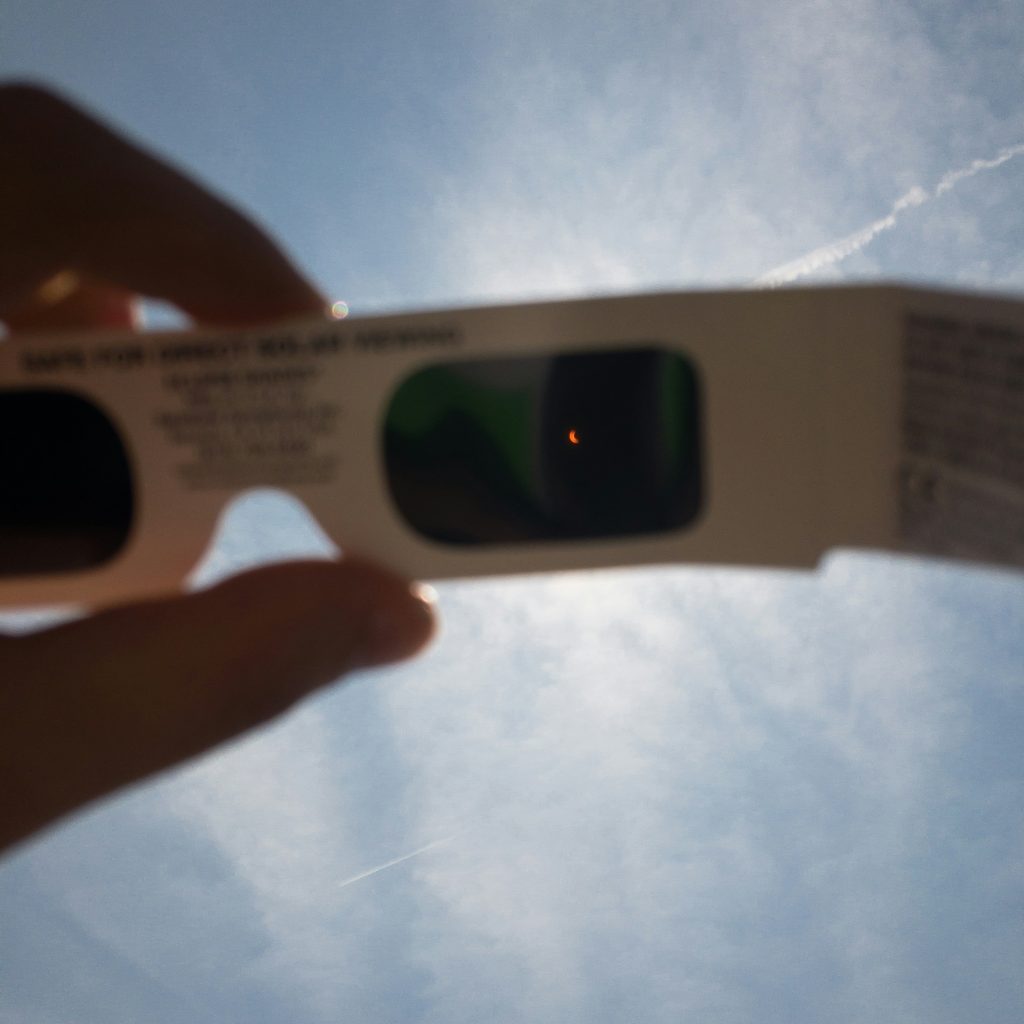
In Reykjavík, the eclipse unfolded over approximately two hours. The partial phase began at around 16:47, totality occurred at approximately 17:48, and the partial eclipse continued until shortly before 18:47.
The defining moment, however, was remarkably short.
In Reykjavík, complete coverage of the sun lasted for roughly one minute. Farther west, the duration increased, reaching approximately 2 minutes and 13 seconds around Látrabjarg.
During totality, the moon completely covered the bright surface of the sun. This is fundamentally different from even a very deep partial eclipse. With 100% coverage, daylight falls dramatically and, when conditions allow, the sun’s outer atmosphere, the solar corona, becomes visible.
It is this brief transition from daylight into darkness that makes a total solar eclipse such a significant natural phenomenon.
When Is the Next Total Solar Eclipse?
The significance of the 2026 solar eclipse becomes clearer when placed in context.
The previous total solar eclipse visible from Iceland occurred on 30 June 1954, while Reykjavík’s previous experience of totality was considerably further in the past, in 1433.
Globally, the wait for another total eclipse will be much shorter. On 2 August 2027, another total solar eclipse will cross southern Spain before continuing through North Africa and parts of the Middle East. At its maximum, totality will last for more than six minutes, considerably longer than the 2026 event.
Iceland, however, faces a very different wait. The path of totality is not expected to return to the country until 2196.
What the Eclipse Showed About Planning in Iceland
Long before August, the eclipse had become more than an astronomical event. International visitors travelled specifically to position themselves within the path of totality, cruise itineraries were designed around the event, and travelers considered alternative viewing locations as weather forecasts developed.
The cloud over Reykjavík ultimately demonstrated why that flexibility mattered.
Natural events cannot be managed in the same way as a conference timetable or scheduled attraction. What can be managed is everything surrounding them: transport, timing, communication, alternative locations, guest expectations and contingency planning.
For Atlantik, this reflects a core part of destination management in Iceland. With decades of experience delivering programs across the country, our role is to understand both the experience a program is intended to create and the operational detail required behind it, from timing and transportation to guest handling and contingency planning.
The 2026 solar eclipse provided an unusually visible example of that principle. The precise movements of the sun and moon had been known years in advance. The clouds over Reykjavík had not.
For a few minutes on a Wednesday afternoon in August, daylight disappeared over western Iceland, a phenomenon the country will not experience again for another 170 years.
During this rememberable day, Atlantik operated over 3000 people on tours, and returned them safely back onboard with smiles on their faces before the big total solar eclipse.