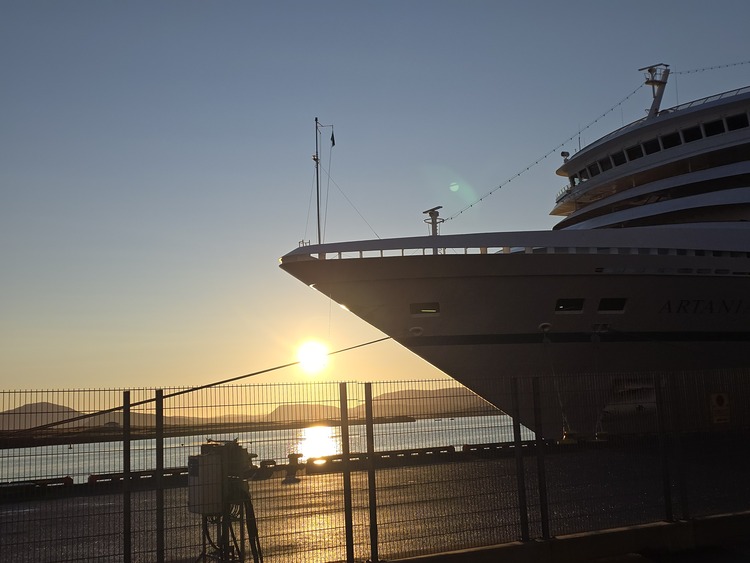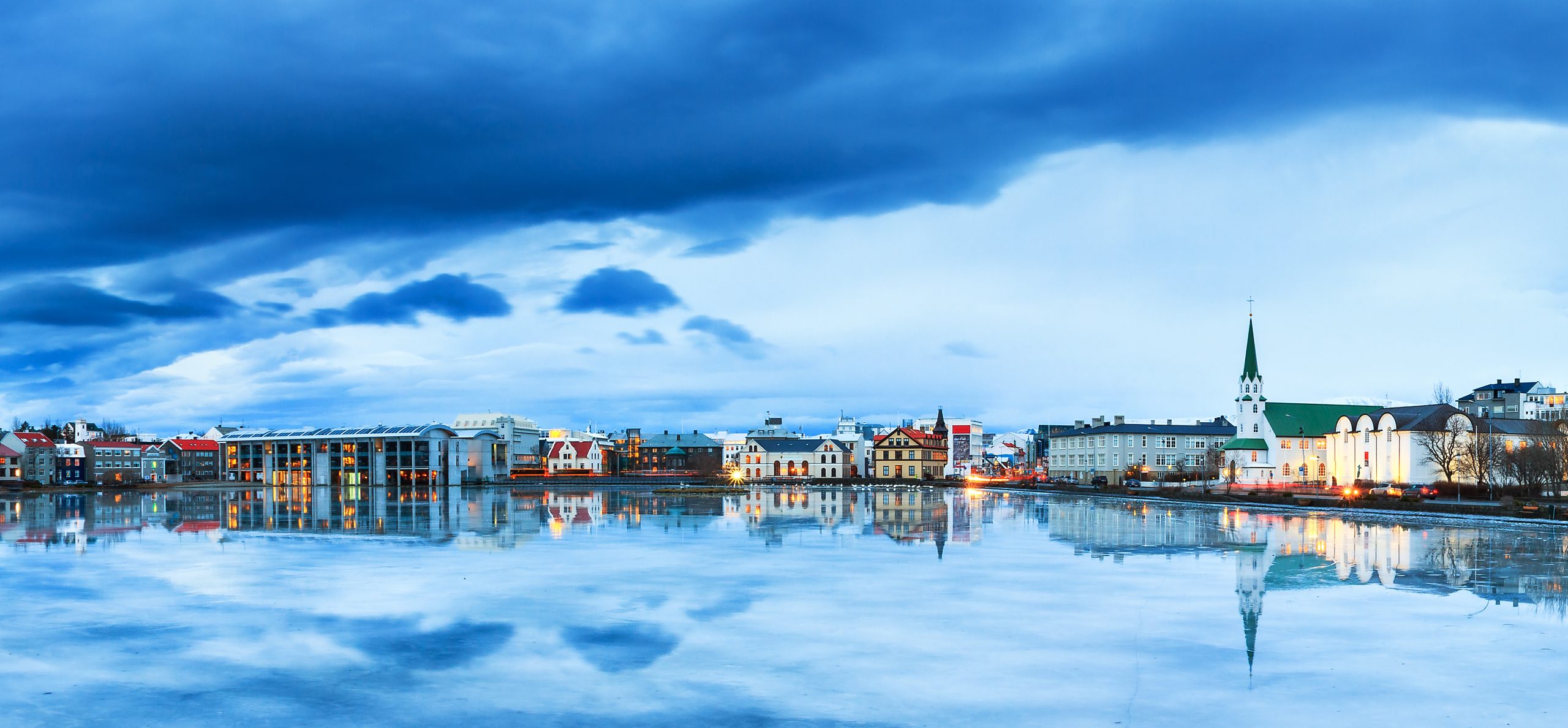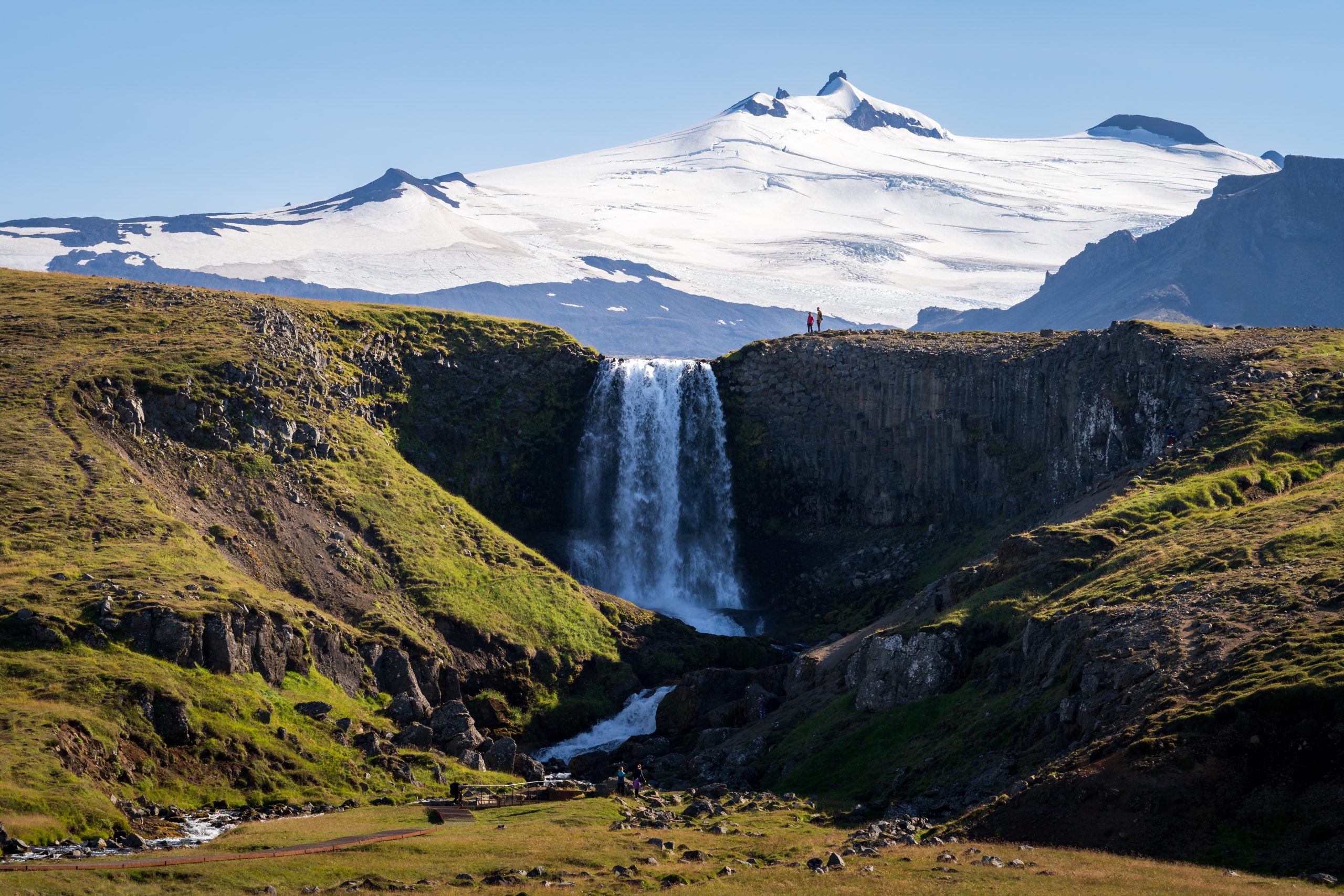

Cruise tourism in Iceland is often associated with major destinations such as Reykjavík and the country’s most established visitor attractions. Its impact, however, also reaches smaller coastal communities where cruise calls can create opportunities for local suppliers, regional experiences and broader participation in the visitor economy.
Iceland’s coastline includes fishing towns and remote communities spread across a large and geographically challenging country. Many have historically depended on industries such as fishing and fish processing. Cruise activity can introduce an additional source of seasonal economic participation by connecting local businesses and service providers with international visitors.
For cruise operators and travel partners, the value of smaller ports extends beyond adding another destination to an itinerary. Each port requires an understanding of local infrastructure, supplier capacity, transport, guest flow and the experiences that can be delivered reliably on the ground.
Economic Activity Beyond Iceland’s Main Tourism Areas
Iceland’s population and much of its tourism infrastructure are concentrated around Reykjavík and the southwest. In other regions, smaller coastal towns often operate with different resources and capacities.
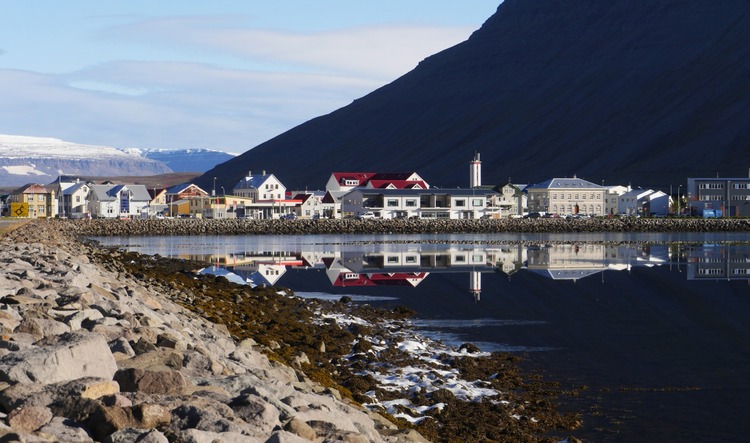
Cruise calls can create opportunities for local guides, restaurants, cafés, museums, transport providers and activity operators to take part in the visitor economy. In destinations such as Ísafjörður, Akureyri and Seyðisfjörður, as well as smaller ports including Djúpivogur, Siglufjörður and Eskifjörður, shore programmes can connect cruise guests with regional businesses and experiences.
Visitors may explore local cultural sites, join guided excursions, eat at local restaurants and cafés, visit museums, shop for local products, and participate in outdoor experiences connected to the surrounding nature and culture. For smaller businesses, access to organised cruise programmes can provide additional seasonal demand and greater exposure to international markets.
The impact of these visits depends on how cruise activity is planned. Guest numbers, arrival schedules, transport availability and local supplier capacity must all be considered to ensure that shore programmes remain practical for both cruise partners and host communities.
Local Knowledge Shapes Stronger Shore Programmes
Smaller Icelandic communities offer regional perspectives that cannot be replicated through a standardised excursion programme. Local guides, activity providers, cultural organisations and food businesses bring knowledge of their own communities, landscapes and traditions.
This local knowledge can help cruise partners develop programmes that are connected to each destination rather than simply moving guests between attractions. A shore experience may include regional history, local food culture, geological features or activities shaped by the surrounding environment.
For destination managers, however, creating a strong local programme involves more than selecting appealing experiences. Group sizes, timing, road conditions, transport requirements and supplier availability must be coordinated carefully. The objective is to create a well-managed guest experience while respecting the practical realities of a small community.
Long-term relationships with local partners are particularly important in this process. They provide the regional knowledge needed to develop programmes that are suitable for both the destination and the operational requirements of a cruise call.
Smaller Ports and the Distribution of Visitors
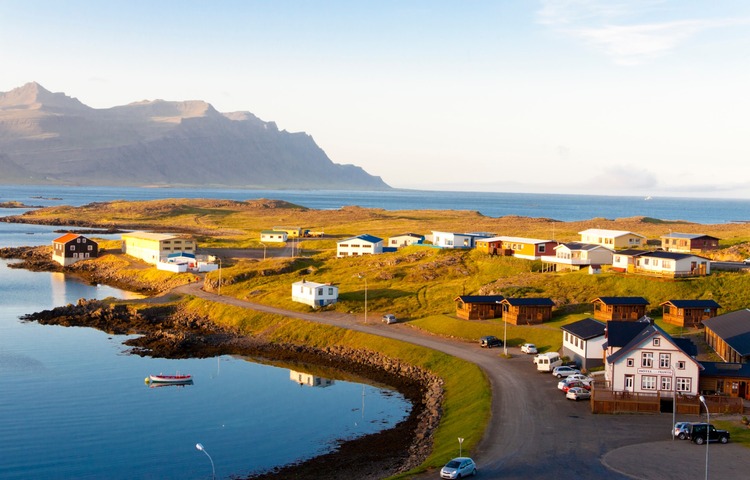
Cruise itineraries can also help introduce guests to regions outside Iceland’s most concentrated tourism areas. Ports such as Djúpivogur, Eskifjörður, Grundarfjörður and Siglufjörður provide access to communities and landscapes that may receive fewer visitors travelling independently.
This creates opportunities to distribute visitor activity more broadly across the country. For regional businesses and suppliers, participation in cruise programmes can support a wider range of economic activity during the season.
Distribution, however, is not simply a matter of taking visitors to new locations. Smaller communities have their own infrastructure, environmental conditions and capacity limitations. Successful cruise operations therefore depend on matching guest programmes to what a destination can accommodate.
Careful planning around passenger movement, excursion schedules and local services helps prevent unnecessary pressure on individual locations. It also allows cruise partners to develop programmes that are appropriate to the scale and character of each community.
Responsible Growth Requires Operational Planning
As cruise tourism develops in Iceland, responsible growth requires attention to both the opportunities and operational demands created by visitor activity.
Ports and communities must manage factors such as transport, visitor facilities, supplier capacity, environmental considerations and the movement of guests through relatively small destinations. The quality of a cruise call is therefore shaped by what happens beyond the port as much as by the arrival of the ship itself.
A responsible approach considers how programmes are timed, how groups are distributed and how local suppliers are involved. It also recognises that different communities require different solutions. A programme that works effectively in a larger port may not be suitable for a smaller or more geographically isolated destination.
For cruise operators and destination partners, this makes local knowledge and close on-the-ground coordination essential. Effective planning can support a reliable guest experience while helping communities participate in cruise tourism in a way that reflects their own capacity and circumstances.
Supporting Communities Through Local Partnerships
Local partnerships are central to how successful cruise programmes operate across Iceland. Every port has its own infrastructure, geography and operational considerations, making local knowledge essential to programme design and delivery.
At Atlantik, cruise operations are developed through coordination with local guides, regional activity providers, restaurants, transport partners and other suppliers across the country. These relationships help ensure that shore programmes are informed by the conditions and capabilities of each destination.
The role of a destination management partner is not simply to bring visitors into a community. It is to coordinate timing, transport, guest handling, suppliers and operational requirements so that programmes can be delivered responsibly and reliably.
When cruise activity is planned in close cooperation with the communities that host it, smaller destinations can participate more directly in Iceland’s cruise economy. At the same time, cruise partners benefit from programmes shaped by local insight, professional coordination and a clear understanding of what each destination can support.