
Iceland is widely recognised for being one of the safest countries in the world. For international travel professionals, this reputation provides a valuable foundation for planning corporate events, cruise excursions and bespoke travel programmes. For visitors, however, understanding safety in Iceland involves more than looking at crime statistics. Low crime, social trust, stable institutions and organised public services all contribute to the country’s safety record, while the natural environment presents a different set of considerations.
For years, Iceland has ranked first on international measures of peace and safety, including the Global Peace Index. This reputation reflects several factors rather than a single policy or characteristic. Low levels of crime, strong community ties, political stability, reliable infrastructure and a culture of personal responsibility all play a role.
Visitors may notice the difference in everyday situations, particularly in smaller communities and rural areas. At the same time, Iceland is not crime-free, and its landscapes require visitors to take weather, terrain and local safety guidance seriously. Understanding both sides is important when planning travel in the country.
A destination’s safety reputation, however, is only one part of the equation. Successful programmes also depend on understanding local conditions, anticipating operational challenges and making informed decisions about transport, activities, timing and guest requirements.
A Small Population Creates Strong Community Trust
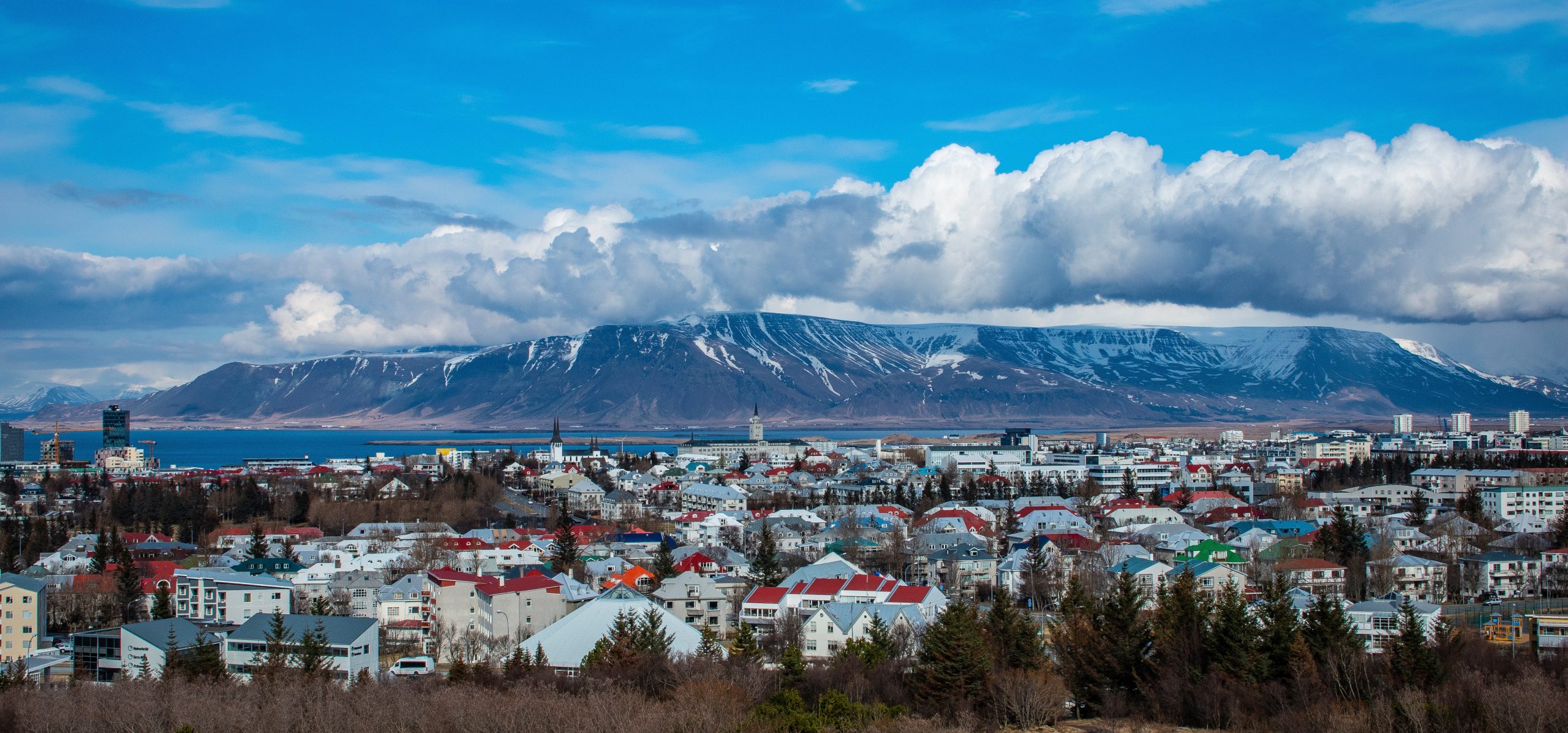
Iceland has a population of roughly 400,000 people, making it one of the least populated countries in Europe. Outside Reykjavík, many towns and villages are small communities where local connections remain an important part of everyday life.
Close community ties can support a strong sense of accountability and social trust. In smaller communities, cooperation and familiarity are often more visible, and visitors may find local people approachable when they need assistance, particularly when travelling through more remote regions.
For professional travel planners, this environment provides useful context when considering guest experiences beyond Reykjavík. However, successful travel arrangements still depend on reliable local partners, established supplier relationships and a clear understanding of regional conditions.
Extremely Low Crime Rates
Iceland has long been associated with low levels of violent crime, and serious violent incidents are relatively uncommon. Reykjavík, despite being the country’s largest city, generally has a different scale and atmosphere from major international capitals.
Crime can still occur. Theft and isolated incidents are possible, particularly in areas with higher visitor numbers, so normal precautions remain appropriate. Visitors should still take care of valuables, follow local guidance and remain aware of their surroundings.
The relatively low level of visible security can also be noticeable to international visitors. Public spaces generally operate without the heavy security presence found in some larger cities, reflecting the broader conditions of Icelandic society rather than an absence of the need for ordinary precautions.
This relatively secure environment is an advantage for international conferences, corporate gatherings and private travel, where guest confidence and peace of mind are important considerations.
High Levels of Social Trust
Trust is an important characteristic of Icelandic society and extends across many aspects of everyday life. People generally place a high degree of trust in one another, public institutions, emergency services and local authorities.
Visitors may notice this through the relatively open nature of public spaces and the willingness of people to assist others. In smaller communities, relationships between residents can be particularly close, creating a stronger sense of local responsibility.
Social trust should be viewed as one factor within Iceland’s wider safety environment rather than as a guarantee of individual security. It works alongside public services, infrastructure and established systems that support residents and visitors throughout the country.
Political Stability and Strong Infrastructure
Political stability and reliable public systems are also relevant to Iceland’s safety record. The country has established democratic institutions and public services, while major political unrest is uncommon.
For visitors, infrastructure and access to information are particularly important. Healthcare services, roads, tourism services and emergency response systems provide essential support across the country, while online resources provide information about changing conditions.
Weather alerts, road conditions, volcanic activity and other travel information can be checked before and during a journey. This level of organisation matters because Iceland’s environment can change quickly, particularly when weather or geological conditions affect travel. Good infrastructure does not remove the need for preparation. Instead, it gives visitors and travel planners access to information that can support better decisions as conditions develop.
For complex itineraries, reliable infrastructure must be matched by thoughtful coordination. Transport schedules, regional accessibility and alternative arrangements all contribute to a programme that can adapt without compromising the overall guest experience.
Nature Requires More Attention Than Crime
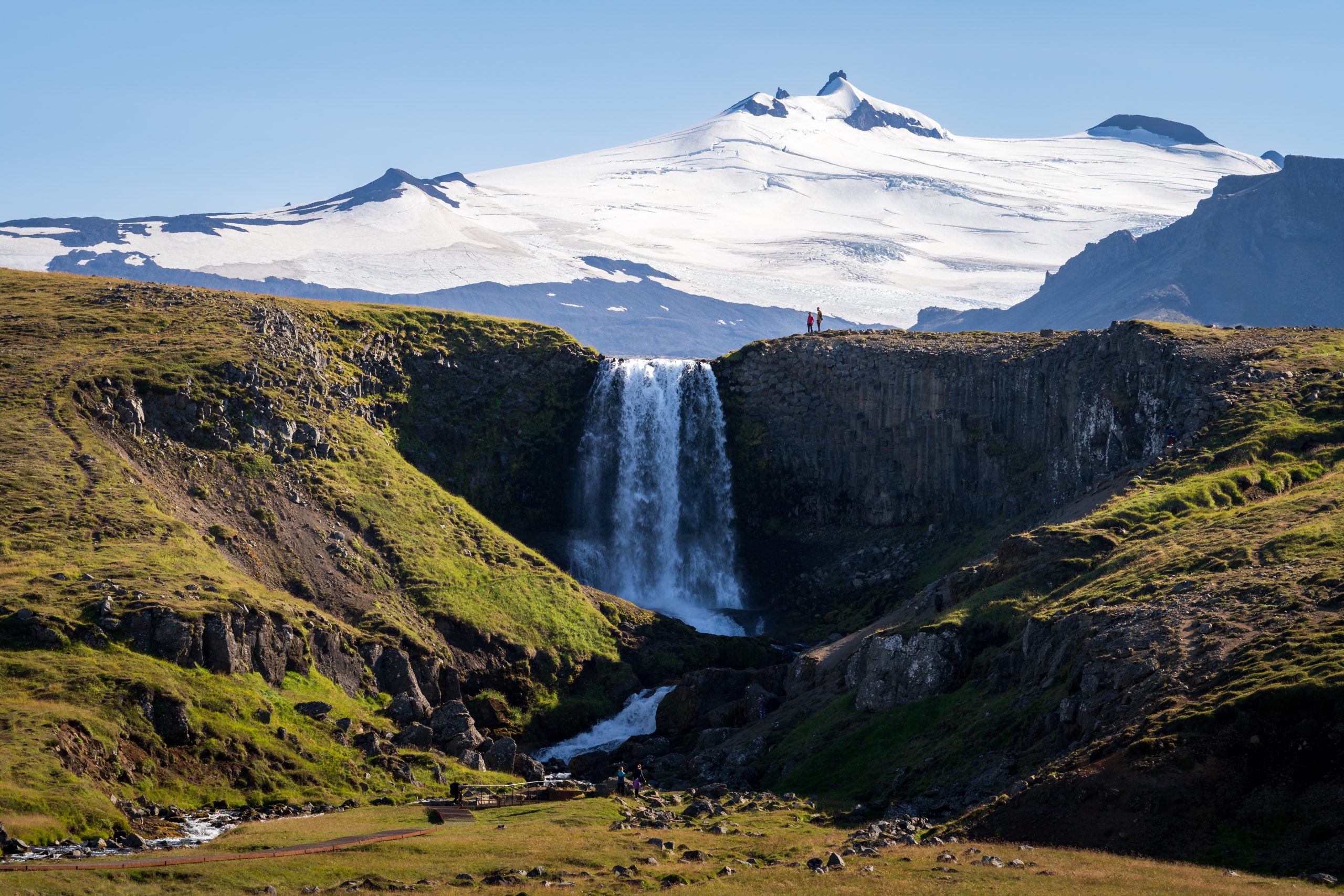
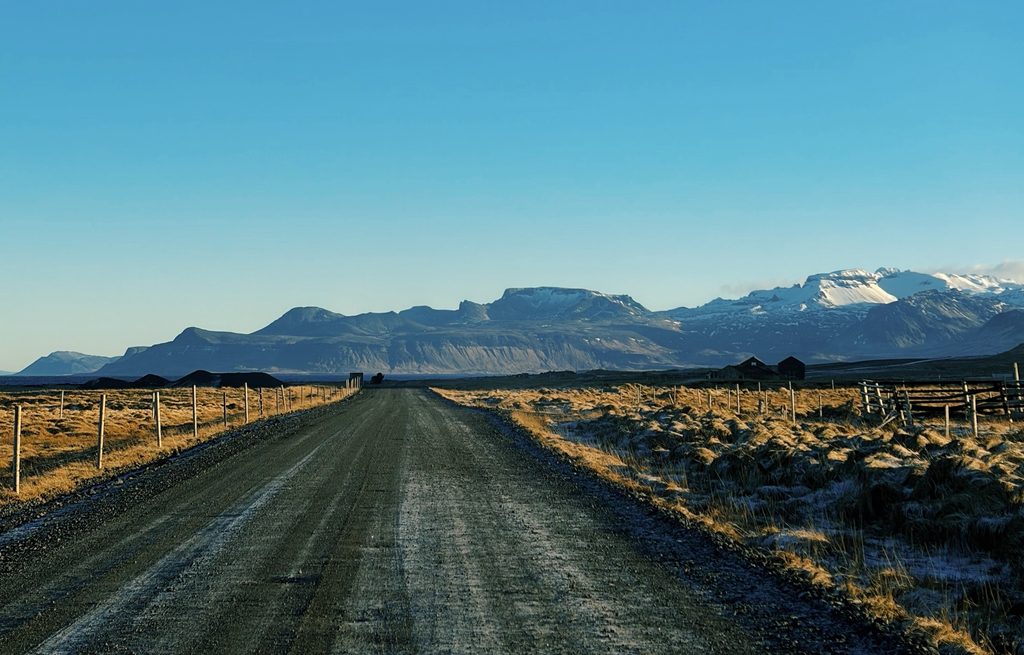
For visitors exploring Iceland, the principal safety considerations often come from the natural environment rather than criminal activity. Strong ocean waves, glaciers, volcanic areas, geothermal fields and rapidly changing weather can all present risks when conditions are underestimated.
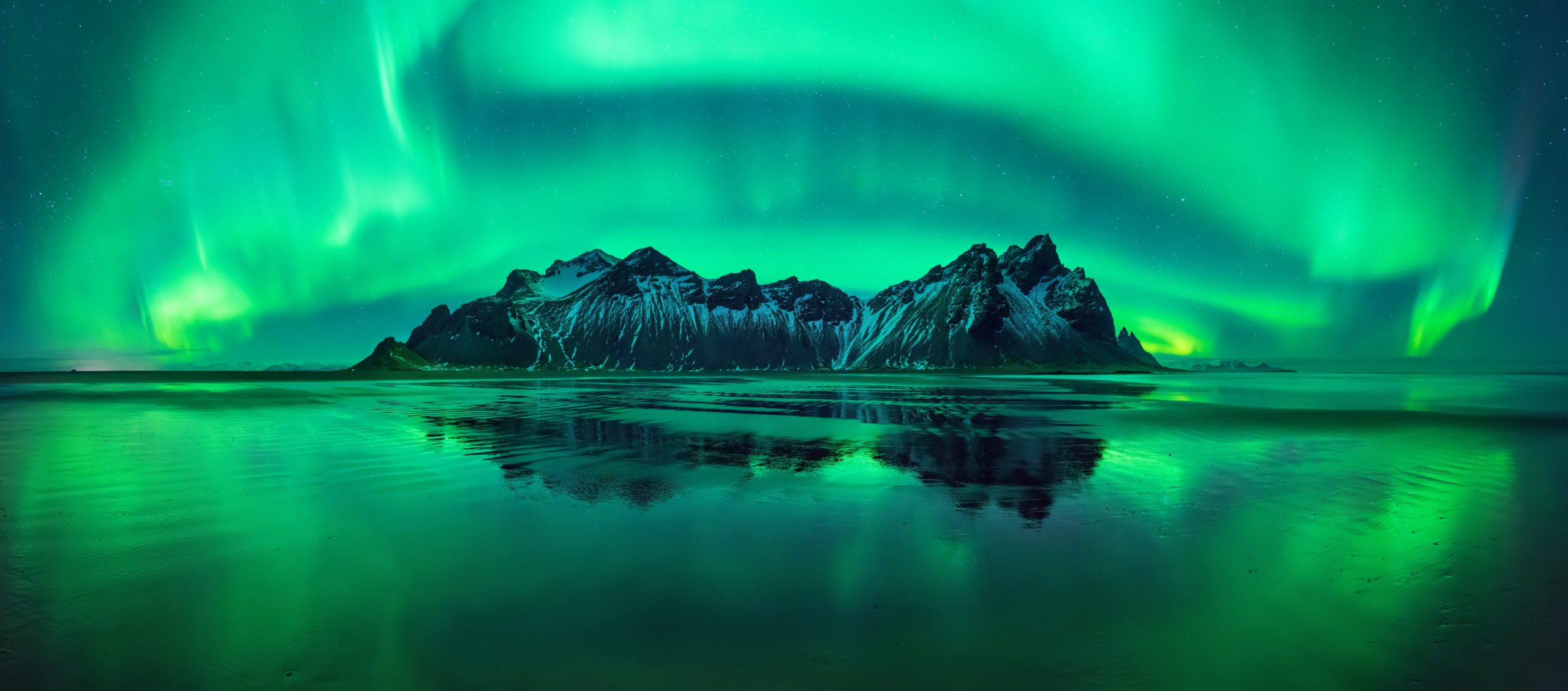
Preparation is therefore an important part of safe travel in Iceland. Visitors should check weather forecasts regularly, follow marked paths, respect warning signs, wear suitable outdoor clothing and follow local safety guidance. Black sand beaches provide a clear example. The coastline can appear calm while conditions in the water remain dangerous, making it important to follow warnings and stay within designated safe areas. Glacier environments and geothermal areas also require visitors to respect marked routes and local instructions.
Iceland’s search and rescue teams play an important role in the country’s emergency response. Weather monitoring and travel information are also widely available, giving both residents and visitors access to information that can help them respond to changing conditions.
These considerations become particularly important when coordinating large groups, shore excursions or journeys into more remote regions. Seasonal knowledge, experienced guiding and realistic scheduling help ensure that activities remain appropriate to the conditions and the people taking part. The practical lesson is straightforward: Iceland’s safety record should not lead visitors to underestimate its landscapes. Respect for natural conditions and preparation for changing weather remain essential parts of responsible travel.
Firearm Regulations and Public Safety
Iceland has regulations governing firearm ownership, including requirements related to licensing, training and storage. Hunting and sport shooting are established activities in Iceland, but firearms are not commonly visible in everyday public spaces.
Gun-related violence is rare in Iceland. The country’s approach to firearm ownership forms part of the wider public safety context, alongside its low levels of violent crime and other social factors. As with other aspects of safety, these regulations should be understood as one element of a broader system rather than treated as a single explanation for Iceland’s safety record.
No Dangerous Wild Animals
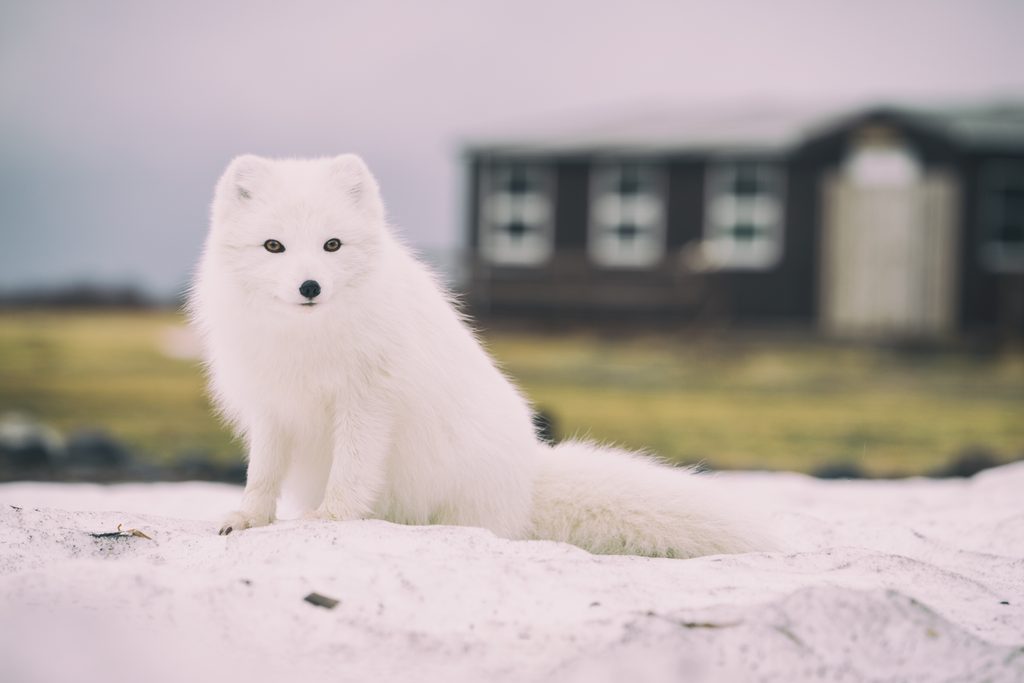
Iceland’s wildlife presents relatively few risks to visitors compared with destinations where large predators or venomous animals are present. Iceland has no resident populations of large land predators, and the Arctic fox is its only native land mammal. Polar bears occasionally arrive on drifting sea ice, but they do not have an established population in Iceland.
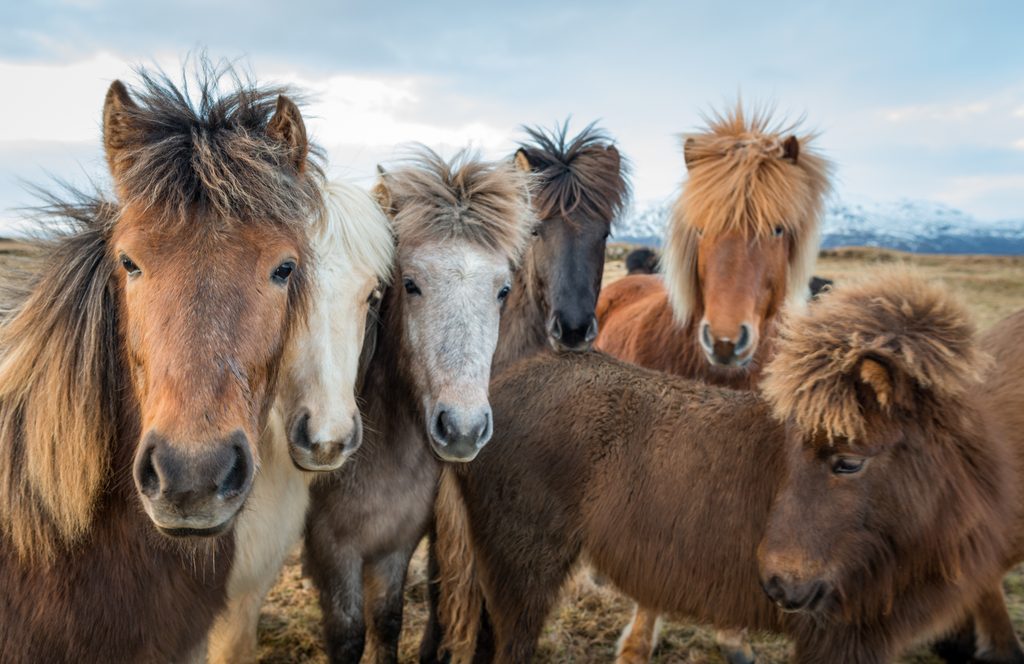
The Arctic fox is believed to have arrived naturally around the end of the last Ice Age, crossing sea ice long before human settlement. When Norse settlers arrived more than 1,100 years ago, they brought domestic animals including horses, sheep, cattle, goats, pigs, chickens, dogs and cats. Many of these animals became part of Iceland’s farming culture and rural landscape. Icelandic horses and sheep remain familiar features of the countryside today.
For visitors, the absence of dangerous land predators removes one consideration that can be relevant when exploring remote areas. Natural hazards such as weather, ocean conditions and terrain remain far more important factors to consider when travelling through Iceland’s landscapes.
Safe for Different Types of Travellers
Iceland’s combination of low crime, established tourism infrastructure and widespread use of English can make independent travel straightforward for many visitors. Roads are generally well signposted, although conditions can change with weather and season, and travellers should always check current information before setting out.
Families, solo travellers, older visitors and first-time international travellers may each have different requirements, so safety planning should still reflect the nature of the trip. Accessibility, mobility, weather tolerance, activity requirements and transport arrangements should be considered when planning a programme.
Cruise passengers also benefit from established port infrastructure in destinations including Akureyri, Ísafjörður and Seyðisfjörður. Shore activities should nevertheless be planned around local conditions, available time ashore and the requirements of the individual group. The same principle applies to corporate groups, executive retreats and bespoke private journeys. Each programme calls for a considered balance of accessibility, comfort, timing and individual expectations.
A destination can have a strong safety record without removing the need for sensible preparation. In Iceland, understanding the environment and planning around changing conditions are particularly important for visitors travelling beyond the main urban areas.
Why Iceland’s Safety Record Matters to Travellers
Iceland’s reputation for safety comes from several factors working together rather than from one policy or statistic. Low crime, strong communities, social trust, political stability, organised infrastructure and responsible travel practices all form part of the wider picture.
The country’s low population density and absence of dangerous land predators provide additional context, but they should not distract from the practical risks associated with Iceland’s environment. Weather, road conditions, volcanic activity, glaciers and coastal conditions require the same level of attention as they would in any destination with challenging natural terrain.
For travellers and travel planners, the distinction is important. Iceland offers a strong foundation for safe travel, but that does not mean every environment or activity is without risk. Good preparation, reliable information and respect for local guidance allow visitors to experience the country while making informed decisions about changing conditions.
Safety, in this context, is not simply an absence of danger. It is also the combination of reliable systems, accessible information, responsible behaviour and an understanding of the environment in which travel takes place.